





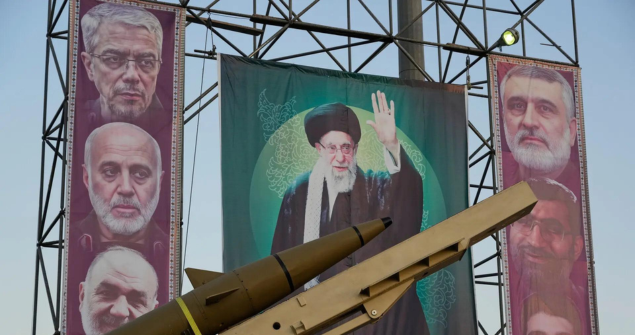
Recent reports indicate a series of coordinated military actions targeting key Iranian figures. These operations, attributed to a joint US-Israeli effort, have sent shockwaves across the Middle East. The immediate impact suggests a significant disruption to Iran’s regional influence and strategic capabilities.
However, analysts are beginning to question the long-term efficacy and potential fallout of such an aggressive approach. What appears as a decisive blow in the short term could inadvertently trigger a broader, more destabilizing conflict in an already volatile region. The implications extend far beyond the immediate targets, touching upon international relations, domestic Iranian politics, and the future of regional security.
The Swift Strike and Its Immediate Aftermath
The coordinated blitz reportedly eliminated several high-ranking Iranian military and political operatives. These individuals were instrumental in various aspects of Iran’s regional strategy, including intelligence gathering and proxy coordination. Their removal represents a direct challenge to Iran’s established network.
This action signals a robust assertion of US-Israeli deterrence against perceived Iranian aggression. It aims to degrade Iran’s ability to project power through its extensive network of allied militias and political groups. The operations were executed with precision, highlighting advanced intelligence capabilities and military coordination.
Targeting Key Figures: A Calculated Risk
The identities of the eliminated leaders suggest a deliberate strategy to dismantle critical operational nodes. These figures often held sway over significant resources and personnel within Iran’s Revolutionary Guard Corps (IRGC) and its Quds Force. Their removal is intended to create a vacuum in leadership and operational command.
From a strategic perspective, targeting such individuals is often seen as a way to avoid large-scale conventional warfare. It aims to achieve specific objectives with minimal collateral damage, at least initially. This approach focuses on decapitation strikes rather than broader military engagements.
Why This Might Be a Tactical Blunder
While the immediate disruption is undeniable, the long-term repercussions could be severe. Many geopolitical experts argue that this aggressive tactic risks igniting a wider regional conflict rather than containing it. Iran has a history of responding to perceived provocations with calculated, often asymmetrical, measures.
The elimination of key figures, rather than weakening Iran, could unify its internal factions against a common enemy. Such actions often lead to a rally-around-the-flag effect, strengthening the position of hardliners within the Iranian political establishment. This could push Iran towards more extreme responses.
Escalation of Regional Tensions
The Middle East is a complex tapestry of alliances and rivalries. An attack of this magnitude risks setting off a dangerous chain reaction. Iranian proxies across Lebanon, Syria, Iraq, and Yemen may feel compelled to retaliate, potentially drawing new actors into the conflict.
Any escalation could destabilize global energy markets and disrupt crucial shipping lanes. The ripple effects would be felt internationally, potentially leading to increased intervention from various global powers. The specter of a wider war looms large, threatening to engulf the region in prolonged instability.
Strengthening Hardline Factions in Iran
Past instances of external pressure have often backfired by empowering Iranian hardliners. When faced with existential threats, the populace tends to coalesce around the most assertive voices. This could undermine any internal reform movements or moderate political discourse.
The narrative of victimhood and foreign aggression could be leveraged by the regime to consolidate power further. It might justify increased military spending and a more defiant stance on its nuclear program. This outcome runs counter to the stated goals of containing Iranian influence.
Undermining Diplomatic Avenues
Such military actions severely hamper any prospects for diplomatic engagement or de-escalation. Trust is eroded, and the incentive for dialogue diminishes significantly for all parties involved. International efforts to revive the nuclear deal or address regional security concerns become increasingly difficult.
Diplomacy offers a path to manage complex geopolitical challenges through negotiation and compromise. Aggressive military interventions, while potentially satisfying short-term objectives, often close these essential communication channels. This leaves little room for peaceful resolutions.
Iranian Retaliation: Forms and Frequencies
Iran possesses a wide array of retaliatory options, ranging from cyberattacks to missile strikes and proxy actions. Its strategy often involves asymmetrical warfare, utilizing its network of regional allies to exert pressure without direct engagement. This makes predicting their response particularly challenging.
Potential targets for retaliation could include US military installations in the region, Israeli assets, or even commercial shipping. The scale and nature of Iran’s response will dictate the next phase of this escalating tension. It remains a critical unknown in the current volatile landscape.
Historical Precedents and Lessons Learned
History offers numerous examples where targeted assassinations and military strikes have led to unintended consequences. The short-term gains often give way to protracted conflicts and deeper resentment. Understanding these historical patterns is crucial for assessing the current situation.
For instance, past actions against similar adversaries have sometimes resulted in the rise of more radical or equally capable replacements. The “decapitation strategy” does not always achieve its intended goal of weakening an organization long-term. Instead, it can lead to adaptation and evolution.
The Cycle of Escalation
The tit-for-tat nature of regional conflicts often creates a self-perpetuating cycle of violence. Each perceived provocation or attack is met with a counter-response, gradually ratcheting up tensions. Breaking this cycle requires de-escalatory measures and a commitment to diplomacy.
Without a clear off-ramp, the current trajectory risks spiraling into a wider conflict that no party truly desires. The stakes are incredibly high, involving human lives, economic stability, and regional peace. Preventing further escalation should be a paramount concern for all actors.
International Reactions and Global Standing
The international community’s response to these strikes will be varied and complex. While some nations might express support for disrupting perceived threats, others will voice concerns about the potential for regional instability. The actions could impact the global standing of the involved nations.
Allies might find themselves in a difficult position, caught between supporting their partners and advocating for de-escalation. The global call for restraint often intensifies in such circumstances. These events will undoubtedly be a major topic in latest trends in international diplomacy.
Impact on US-European Relations
Such unilateral or highly aggressive actions can strain relations with European allies, who often favor a more diplomatic approach. Differences in strategic priorities and risk tolerance can emerge. Maintaining a unified front against complex adversaries becomes challenging.
European nations have significant economic and political interests in regional stability. They often advocate for multilateral solutions and a return to the negotiating table. A divergence in strategy could lead to increased transatlantic tensions and a weakening of broader alliances.
The Path Forward: Navigating the Perilous Landscape
The immediate future for the Middle East appears fraught with danger and uncertainty. All parties will be closely watching for signs of retaliation and further escalation. The need for clear communication channels and de-escalatory measures has never been more critical.
A measured response from all sides, however unlikely, would be essential to prevent a full-blown regional war. International mediation efforts may become more prominent in the coming days and weeks. The focus should be on stabilizing the situation and preventing further loss of life.
For more detailed information, you can refer to an Official Source discussing these events.
Frequently Asked Questions (FAQs)
1. What exactly happened regarding the strikes against Iranian leaders?
Recent reports indicate a series of coordinated military operations, attributed jointly to the US and Israel, which targeted and eliminated several high-ranking Iranian military and political figures. These strikes focused on individuals deemed instrumental in Iran’s regional strategy and proxy operations. The precise locations and timings of these attacks are often kept confidential for operational security reasons, though they typically occur in countries where Iran exerts significant influence or hosts its operatives.
The intent behind these actions was clearly to disrupt Iran’s command and control structures and its ability to project power through its extensive network of proxies across the Middle East. Such operations aim to degrade leadership capabilities and sever vital communication and supply lines, thereby limiting Iran’s capacity for immediate responses and strategic planning. This also serves as a strong signal of resolve from the US and Israel regarding perceived threats.
2. Who were the key Iranian leaders reportedly eliminated in these attacks?
While specific names are not always immediately confirmed by all parties, reports generally suggest that the targets were high-ranking members of Iran’s Islamic Revolutionary Guard Corps (IRGC), particularly those associated with the Quds Force. These individuals are typically responsible for external operations, intelligence gathering, and coordinating with Iran’s allied militias in countries like Syria, Lebanon (Hezbollah), Iraq, and Yemen (Houthis). Their expertise often lies in unconventional warfare, logistics, and fostering regional alliances.
Their removal aims to create significant operational and leadership vacuums within Iran’s security apparatus, affecting its ability to manage and fund its regional influence campaigns effectively. The targeted individuals often possess irreplaceable institutional knowledge and personal networks, making their immediate replacement challenging. This disruption is intended to cripple the efficiency and cohesion of Iran’s proxy network in the short to medium term.
3. What were the immediate objectives of the US and Israel in carrying out these strikes?
The primary immediate objectives likely included degrading Iran’s ability to coordinate and command its regional proxy networks, thereby reducing perceived threats to US and Israeli interests and allies. These actions also serve as a strong deterrent, signaling a willingness to take decisive action against Iranian aggression and its continued expansion of influence. Disrupting the flow of intelligence, resources, and personnel to proxies aims to limit Iran’s capacity for asymmetrical warfare and destabilizing activities across the region.
The strikes also likely aimed to restore a sense of deterrence following previous incidents or perceived Iranian provocations, demonstrating that there are significant costs for certain behaviors. This “decapitation strategy” seeks to achieve specific security objectives by weakening the adversary’s leadership, hoping to incapacitate their strategic decision-making and operational execution. The goal is to make it harder for Iran to plan and execute future attacks or support its proxy forces.
4. How might these strikes be considered a “tactical blunder”?
These strikes could be considered a tactical blunder due to several significant potential negative repercussions. Firstly, they risk a severe escalation of regional conflict, potentially triggering retaliatory actions from Iran or its proxies that could spiral out of control into a wider war. Such actions frequently lead to a cycle of violence, where each side responds to perceived provocations, making de-escalation incredibly difficult.
Secondly, external pressure and military actions often strengthen hardline factions within Iran, consolidating their power and fostering anti-Western sentiment among the populace. This can lead to a “rally-around-the-flag” effect, unifying the population against a perceived foreign threat and undermining any moderate voices or reform movements. Thirdly, these actions can severely hamper diplomatic efforts to de-escalate tensions or revive international agreements, such as the nuclear deal. Trust is eroded, and the incentive for peaceful dialogue diminishes significantly, pushing the region further away from stability.
Lastly, the elimination of leaders might lead to their replacement by equally or more radical figures, or inspire Iran to develop more resilient and clandestine operational methods. This could make future counter-terrorism efforts even harder and more complex, demonstrating the adaptive nature of state and non-state actors under pressure. The long-term strategic impact may thus be counterproductive to the stated goals of limiting Iranian influence.
5. What forms of retaliation might Iran consider in response to these attacks?
Iran has a diverse playbook for retaliation, typically favoring asymmetrical responses to avoid direct conventional conflict with superior military powers. These could include launching ballistic missile or drone attacks against US military bases or Israeli targets in the region, either directly or through its proxies. Such attacks would aim to demonstrate capability and extract a cost for the recent strikes, without necessarily escalating to full-scale war.
Cyberattacks targeting critical infrastructure in the US or Israel are also a strong possibility, as Iran possesses increasingly sophisticated cyber warfare capabilities. Furthermore, Iran could activate its extensive network of militias in Iraq, Syria, Lebanon (Hezbollah), and Yemen (Houthis) to launch attacks, increase harassment, or intensify existing conflicts against US and Israeli interests and their allies. These proxies offer deniability and a means to project power without direct attribution.
Another potential response could involve increasing uranium enrichment or taking steps that further violate the nuclear deal, signaling its defiance on the international stage and increasing its leverage. Iran might also target commercial shipping in vital waterways like the Strait of Hormuz, aiming to disrupt global energy markets and exert economic pressure. The specific nature and scale of Iran’s retaliation would depend on its strategic calculations, its assessment of geopolitical consequences, and its desire to avoid an all-out war.
6. How could these strikes impact regional stability in the Middle East?
The impact on regional stability could be profoundly negative, potentially igniting a dangerous cycle of tit-for-tat attacks that leads to broader conflict. Countries like Iraq, Syria, and Lebanon, already grappling with internal instability and civil strife, could see renewed or intensified proxy warfare, as Iranian-backed groups feel compelled to respond. This would further destabilize fragile governments and exacerbate existing humanitarian crises in these nations.
Saudi Arabia and other Gulf states, traditional rivals of Iran, might become more directly involved, either by supporting anti-Iranian efforts or by becoming targets themselves, escalating the regional cold war. Such widespread instability would threaten global energy supplies, disrupt international trade routes, particularly in the Persian Gulf, and could lead to significant economic repercussions worldwide. The ripple effect on oil prices and shipping insurance would be felt by consumers and businesses globally.
Moreover, sustained conflict could lead to a severe humanitarian crisis, further displacing populations, increasing refugee flows, and causing immense suffering. It creates an unpredictable environment where miscalculation or unintended consequences by any party could lead to catastrophic outcomes, making long-term peace and security in the region even more elusive. The prospect of an uncontrolled regional conflagration remains a major concern.
7. What are the potential consequences for the future of the Iran nuclear deal?
These strikes significantly complicate any future prospects for reviving or renegotiating the Iran nuclear deal (JCPOA), which is already in a precarious state. By eliminating key figures, the US and Israel are perceived to be taking a highly confrontational stance, which could harden Iran’s position in any negotiations. Iran might view renewed diplomatic efforts as a sign of weakness or an attempt to impose terms, leading it to demand more concessions or withdraw from negotiations entirely, citing a lack of good faith from the other parties.
The breakdown of trust, already fragile, would be further exacerbated, making it nearly impossible for negotiators to find common ground. If Iran responds by accelerating its nuclear program in defiance, it could push the international community towards even more stringent sanctions or military options, further jeopardizing the deal’s future and increasing nuclear proliferation risks in the region. This could lead to a situation where Iran moves closer to nuclear weapons capability, triggering a regional arms race as other nations seek similar deterrence.
The diplomatic window for a peaceful resolution to Iran’s nuclear program would likely shrink considerably, leaving fewer options on the table. Both sides may feel less incentivized to compromise, viewing further engagement as a concession rather than a path to mutual security. The geopolitical ramifications could also see more countries distancing themselves from efforts to revive the deal, choosing instead to focus on their own security strategies in a more volatile environment.
8. How might the international community react to these actions?
Reactions from the international community would likely be mixed and highly fragmented. Close allies of the US and Israel might express conditional support, emphasizing the need for de-escalation while acknowledging legitimate security concerns. However, many nations, particularly European powers, would likely voice strong concerns over the risk of regional escalation and call for restraint and diplomatic solutions, fearing the broader destabilizing effects on global trade and security. They often prioritize stability and multilateral approaches over unilateral military action.
Russia and China, often critical of US and Israeli actions in the region, would likely condemn the strikes, viewing them as destabilizing and potentially a violation of international law and national sovereignty. They might use this as an opportunity to criticize Western foreign policy and bolster their own influence in the region. The United Nations and other international bodies, including the Arab League and the Organization of Islamic Cooperation, would probably issue statements urging all parties to exercise maximum restraint and pursue peaceful resolutions, emphasizing the need to uphold international law and prevent further loss of life.
Overall, the actions could lead to further fragmentation of international consensus on Middle East policy, making it harder to forge a unified approach to common challenges like terrorism or nuclear proliferation. This divergence in reactions highlights the complex nature of global diplomacy and the differing priorities and interests of various international actors, making collective action more challenging to achieve in a crisis.
9. Have similar actions against high-value targets proven effective in the past?
The effectiveness of targeting high-value individuals (HVTs) has been a subject of ongoing debate among security analysts and policymakers. While such actions can temporarily disrupt an organization’s operations, leadership, and command structure in the short term, their long-term impact is often questionable. In some cases, eliminating a leader can create a power vacuum that leads to internal disarray or even the rise of more radical or equally competent successors, a phenomenon sometimes referred to as the “hydra effect.”
Historically, while decapitation strikes can achieve tactical successes by disrupting specific plots or missions, they rarely lead to the complete dismantling of sophisticated state or non-state actors. Organizations, especially those with deep roots and ideological foundations like the IRGC, often possess robust succession plans and adaptive capabilities. They can decentralize their operations, distribute leadership roles, or simply replace fallen commanders, demonstrating resilience rather than outright collapse.
Furthermore, such actions can sometimes galvanize support for the targeted group or regime, reinforcing their narrative of victimhood and resistance against foreign aggression. This can lead to increased recruitment, stronger internal cohesion, and a renewed determination to retaliate, potentially leading to a more entrenched conflict. The strategic outcome, therefore, depends heavily on the specific context, the targeted organization’s structure, and the broader geopolitical environment, and often yields mixed results that are difficult to predict or control.
10. What role could international diplomacy play in de-escalating the situation?
International diplomacy is absolutely crucial for de-escalating such volatile situations and preventing a wider conflict. It provides essential channels for communication between adversaries, helping to prevent misunderstandings and miscalculations that could inadvertently lead to broader military engagement. Even indirect contact through third parties can serve as a vital lifeline in times of high tension, allowing for the exchange of messages and intentions without direct confrontation.
Third-party mediators, such as the United Nations, neutral countries, or regional blocs, could facilitate indirect talks or propose confidence-building measures. These could include temporary ceasefires, prisoner exchanges, or agreements on humanitarian aid corridors. Diplomatic efforts could also focus on establishing clear red lines to prevent further escalation and initiating discussions on a comprehensive framework for regional security, addressing the underlying grievances and strategic competition that fuel instability.
The international community could also leverage economic or political incentives and disincentives to encourage restraint and commitment to peaceful resolutions from all parties. However, the effectiveness of diplomacy depends heavily on the willingness of all involved parties to engage constructively, demonstrate flexibility, and prioritize long-term stability over short-term gains or punitive actions. A sustained, multilateral diplomatic push would be necessary to navigate this perilous landscape and find a path towards a more stable future for the Middle East.
15 SEO Keywords
Iran, US-Israel Strikes, Tactical Blunder, Middle East Conflict, Regional Escalation, Iranian Leaders, Quds Force, IRGC, Geopolitical Instability, Diplomatic Failure, Proxy Warfare, Nuclear Deal, International Relations, Iranian Retaliation, Conflict Analysis
Source: Times of India


