




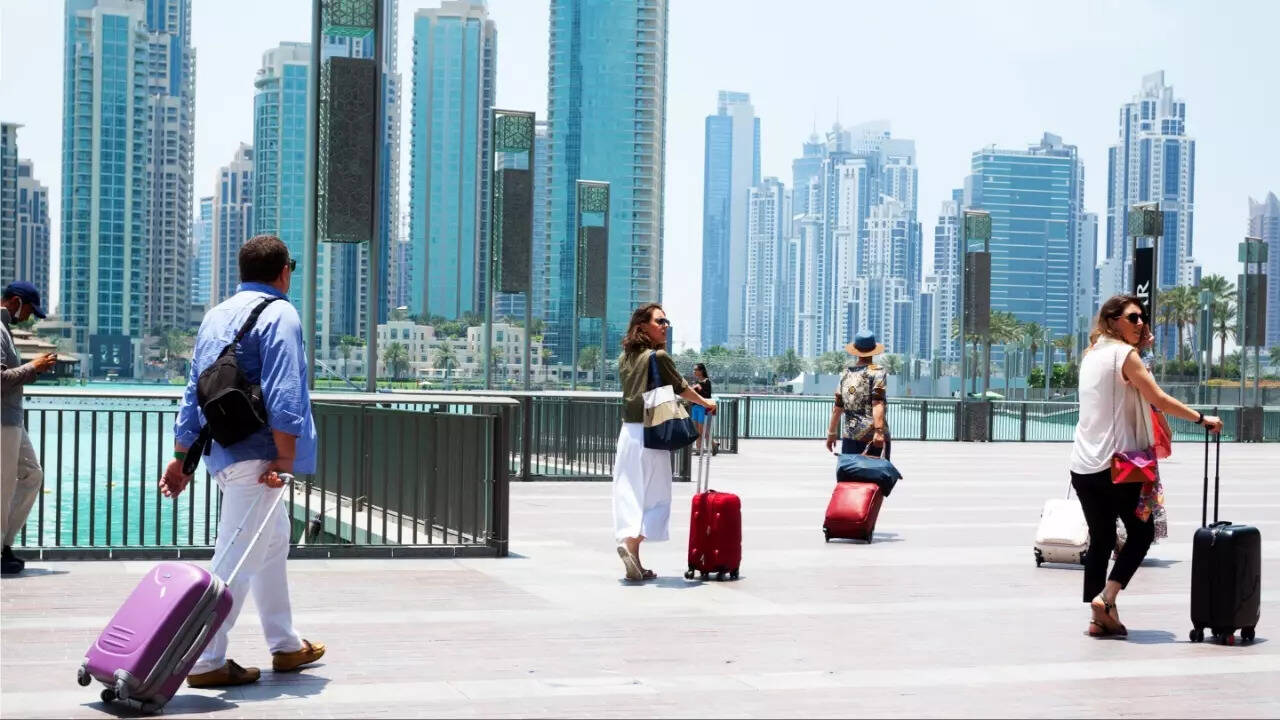
Navigating unforeseen travel disruptions can be a daunting experience for any tourist. Recent regional developments have left many visitors to the UAE unexpectedly grounded or facing altered itineraries.
This comprehensive guide aims to provide clarity and practical advice on available support, including refunds, rebooking options, accommodation, and food provisions during such challenging times.
Understanding Your Rights and Available Support
Immediate Concerns: Safety and Information
Your safety and well-being are paramount during any travel disruption. Always prioritize official communications from local authorities and your country’s embassy.
Reliable information helps in making informed decisions and understanding the evolving situation. Avoid rumors and rely on verified news sources.
Airline Policies and Rebooking Options
Airlines often implement flexible rebooking policies during periods of significant disruption. These waivers typically allow passengers to change their flights without incurring standard fees.
Contact your airline directly through their official channels, such as customer service hotlines or airport counters. Be prepared for potential wait times due to high call volumes.
Many airlines offer online tools to manage bookings and check for alternative flight options. Review your ticket class and the terms and conditions of your booking for specific entitlements.
If your flight is canceled, airlines generally offer options for a refund or a free rebooking. Understand the difference between airline-initiated cancellations and voluntary changes.
Accommodation: Free Hotels and Shelter
When a flight delay or cancellation is within the airline’s control or extends for a significant period, many carriers are obligated to provide accommodation. This typically includes a hotel stay and transportation to and from the airport.
The provision of free hotels often depends on the duration of the delay and the reason behind it. Force majeure events, such as unforeseen geopolitical situations, might alter standard compensation rules.
In some circumstances, local government initiatives or humanitarian efforts may step in to assist stranded tourists. These programs aim to provide temporary shelter and support to those most affected.
Always inquire about these provisions directly with your airline representatives at the airport. Keep all receipts if you are advised to book your own accommodation for later reimbursement.
Food and Essential Provisions
Airlines are usually responsible for providing meal vouchers or refreshments during extended delays. This support is intended to cover basic food and drink needs while you wait.
Check with airline staff at your gate or service desk for information on available food provisions. Many airports also have designated areas for distributing essentials.
Beyond airline support, local communities and aid organizations may offer assistance to tourists in dire need. Information on such support can often be found through embassy channels or local news.
It is always wise to carry some non-perishable snacks and water, especially when facing potential travel disruptions. This ensures you have immediate provisions readily available.
Refund Processes and Consumer Protection
Understanding your rights regarding refunds is crucial. If your flight is canceled by the airline, you are generally entitled to a full refund if you choose not to accept an alternative flight.
The refund process can sometimes take several weeks to complete. Keep detailed records of all communications, booking references, and any expenses incurred due to the disruption.
For purchases made with a credit card, you might be able to dispute charges if services were not rendered. Contact your bank or credit card provider for their specific dispute resolution process.
Travel insurance policies can also play a vital role in recovering costs for canceled trips, non-refundable bookings, and additional expenses. Thoroughly review your policy’s terms and conditions.
Some governmental bodies also offer consumer protection for air travel. Familiarize yourself with these regulations to ensure you receive fair treatment and appropriate compensation.
Navigating Logistical Challenges
Communication Strategies
Maintaining communication with family, friends, and essential contacts is crucial. Consider purchasing a local SIM card for easier and more affordable communication if your international roaming is expensive.
Utilize airport Wi-Fi services where available to send updates and access online resources. Charge your devices whenever possible to stay connected.
Register with your country’s embassy or consulate in the UAE. This allows them to contact you in an emergency and provide consular assistance.
Keep a list of important phone numbers, including your airline, travel insurance provider, and embassy contact, readily accessible. Digital and physical copies are recommended.
Medical Assistance and Well-being
Access to medical care is a primary concern for many travelers. The UAE boasts a robust healthcare system, and emergency services are readily available.
If you require medical attention, inform airline staff or hotel management, who can guide you to appropriate facilities. Have your travel insurance details handy.
Remember that stress and uncertainty can take a toll on mental health. Seek support from fellow travelers, contact loved ones, or reach out to your embassy for psychological support resources if needed.
Ensure you have an adequate supply of any essential prescription medications. If running low, consult local pharmacies or medical professionals for advice on refills.
Visa Extensions and Immigration Matters
If you are stranded beyond your intended departure date, you may need to address visa and immigration concerns. Overstaying a visa without proper authorization can lead to penalties.
Contact the Federal Authority for Identity, Citizenship, Customs & Port Security (ICP) or your airline for guidance on potential visa extensions. Authorities are often understanding during crisis situations.
Your country’s embassy or consulate can also offer advice and assistance regarding immigration procedures. They can liaise with local authorities on your behalf.
Keep all travel documents, including your passport and visa, secure and readily accessible. These are essential for any official procedures.
Future Travel Considerations
Planning Ahead Amid Uncertainty
Even after initial disruptions subside, it’s wise to stay informed about the travel landscape. Monitor official travel advisories issued by your government and local authorities.
Consider the flexibility of your future bookings, opting for cancellable or changeable options where possible. This provides a greater safety net against unforeseen events.
For insights into broader travel trends and disruptions, you can explore latest trends for up-to-date information. Staying informed helps mitigate future risks.
Evaluate your travel insurance coverage carefully for upcoming trips. Ensure it provides adequate protection against delays, cancellations, and medical emergencies in various scenarios.
The Role of Travel Insurance
Travel insurance is an invaluable tool for mitigating financial losses during travel disruptions. Different policies offer varying levels of coverage, so understanding yours is key.
Review your policy to determine what circumstances are covered, such as flight cancellations due to geopolitical events, medical emergencies, or extended stays. Force majeure clauses are particularly important.
Keep all relevant documentation, including booking confirmations, cancellation notices, and receipts for additional expenses. These are crucial for filing a successful claim.
Contact your insurance provider as soon as possible after an incident occurs to understand the claim process. Adhering to their procedures ensures a smoother experience.
Official Guidance and Support Channels
For the most current and authoritative information, always refer to official government sources. Local authorities in the UAE are continuously working to assist affected travelers.
Your respective embassy or consulate is another critical resource for direct support and guidance specific to your nationality. They can provide legal and practical advice.
Airlines also maintain updated information on their websites regarding flight status, rebooking policies, and passenger rights. Regularly check these platforms.
For a deeper dive into the specific provisions and a comprehensive overview of the situation for tourists in the UAE, refer to this Official Source. This resource offers valuable insights into the support framework.
Frequently Asked Questions (FAQs)
Q1: Am I entitled to a full refund if my flight to or from the UAE is cancelled due to regional tensions?
A1: If your airline cancels your flight, you are generally entitled to a full refund, regardless of the reason for cancellation. This applies even if the cancellation is due to force majeure events like geopolitical instability.
The refund should cover the full cost of the unused portion of your ticket. You typically have the option to accept a refund or rebook onto an alternative flight offered by the airline without additional charge.
Q2: Will airlines provide free hotel accommodation if I am stuck in the UAE due to ongoing disruptions?
A2: Airlines are often obligated to provide free hotel accommodation if an overnight delay is due to operational issues within their control or extends beyond a certain period. For delays caused by extraordinary circumstances, such as geopolitical events, airline obligations can vary.
However, many airlines, out of goodwill or under specific regulations, will still offer accommodation and meals for significant delays. Always inquire directly with airline staff at the airport for specific assistance and guidance on what is being provided.
Q3: What are my rebooking options if my flight is affected by the situation in the region?
A3: Airlines typically offer flexible rebooking options during periods of widespread disruption. You can usually change your flight dates without incurring change fees, though fare differences might apply depending on the airline’s specific policy and the new flight chosen.
Most airlines will allow you to rebook to a later date or choose an alternative route if available. Contact your airline’s customer service or use their online portal to explore your options.
Q4: How can I ensure I receive food and provisions while stranded at the airport or a hotel?
A4: For significant delays at the airport, airlines are generally required to provide meal vouchers or refreshments. Seek out airline representatives at your gate or a customer service desk to inquire about these provisions.
If you are provided with hotel accommodation, meals are often included as part of the arrangement. In other cases, some airports or local aid organizations might set up relief points for stranded passengers. Always ask airline or airport staff for guidance on where to find food provisions.
Q5: What if my visa expires while I am stuck in the UAE?
A5: If you are unable to leave the UAE due to flight cancellations or travel restrictions and your visa is nearing its expiration, it is crucial to contact the Federal Authority for Identity, Citizenship, Customs & Port Security (ICP) immediately. You should also inform your embassy or consulate.
Authorities often show leniency and may grant extensions during crises to prevent visitors from overstaying their visas through no fault of their own. Be prepared to provide evidence of your disrupted travel plans.
Q6: Is my travel insurance likely to cover costs associated with being stranded due to regional geopolitical tensions?
A6: The coverage provided by travel insurance for events like geopolitical tensions depends heavily on the specific policy you purchased. Many standard policies include “force majeure” clauses, but their interpretation can vary.
Some comprehensive policies might cover trip interruption, delays, or even medical emergencies arising from such situations. It is vital to review your policy’s terms and conditions or contact your insurance provider directly to understand what is covered and what documentation is required for claims.
Q7: How can I stay updated on the latest travel advisories and information while in the UAE?
A7: The most reliable sources for updated information are the official websites of the UAE government, your country’s embassy or consulate in the UAE, and reputable international news organizations. Avoid relying solely on social media or unverified sources.
Many airports and airlines also provide real-time updates through their mobile apps, websites, and public address systems. Registering for travel alerts from your embassy can also provide timely notifications.
Q8: What should I do if my luggage is lost or delayed during the disruption?
A8: If your luggage is lost or delayed, immediately report it to the airline’s baggage services desk at the airport before leaving the terminal. You will typically need to fill out a Property Irregularity Report (PIR).
Keep a copy of this report and all flight details. Your travel insurance might cover temporary expenses for essential items if your luggage is delayed, or offer compensation for lost bags. Follow up regularly with the airline’s baggage tracking service.
Q9: Can I claim compensation for distress or inconvenience caused by being stranded?
A9: Claiming compensation specifically for distress or inconvenience due to travel disruptions related to geopolitical events can be challenging. Airlines typically deny such claims under “extraordinary circumstances” clauses.
However, you are generally entitled to compensation for direct financial losses like accommodation, food, and communication costs if the airline was responsible for providing them but failed to do so. Travel insurance policies may also offer some coverage for trip interruption or delay benefits.
Q10: What resources are available if I need emergency medical assistance?
A10: The UAE has excellent emergency services. For immediate medical emergencies, dial 998 for an ambulance. You can also contact local hospitals directly for non-emergency medical advice or treatment.
Inform your travel insurance provider as soon as possible if you require medical attention, as they can guide you through the process and cover eligible costs. Your embassy or consulate can also assist in locating medical facilities and understanding local healthcare procedures.
Navigating travel disruptions requires patience, preparedness, and access to accurate information. The support structures in place aim to assist travelers during challenging times.
By understanding your rights and utilizing available resources, you can better manage unforeseen circumstances and ensure your safety and well-being while in the Emirates.
UAE travel assistance, tourist refunds, free hotel provision UAE, flight rebooking UAE, food for stranded tourists, UAE travel disruptions, regional tensions travel, emergency travel UAE, visa extension UAE, travel insurance coverage, airline compensation UAE, passenger rights UAE, stranded travelers support, UAE crisis travel guide, Dubai travel advice.
Source: Times of India


