




The intricate tapestry of global aviation faces periodic challenges, often exacerbated by geopolitical shifts. Recent developments in the Middle East have once again underscored the delicate balance between international relations and air travel safety. An advisory from Sharjah Airport highlights the tangible impact of escalating regional tensions on daily operations.
Passengers traveling through the United Arab Emirates are urged to remain vigilant and informed. This advisory directly stems from the volatile situation involving the United States, Israel, and Iran. The wider implications for regional stability and global connectivity are significant, impacting countless travelers and logistics networks.
Sharjah Airport’s Proactive Passenger Advisory
Sharjah Airport has issued a comprehensive advisory, urging passengers to verify their flight statuses well in advance. This proactive measure aims to mitigate potential disruptions caused by the prevailing regional security environment. The airport is working closely with airlines to manage schedules and provide timely updates.
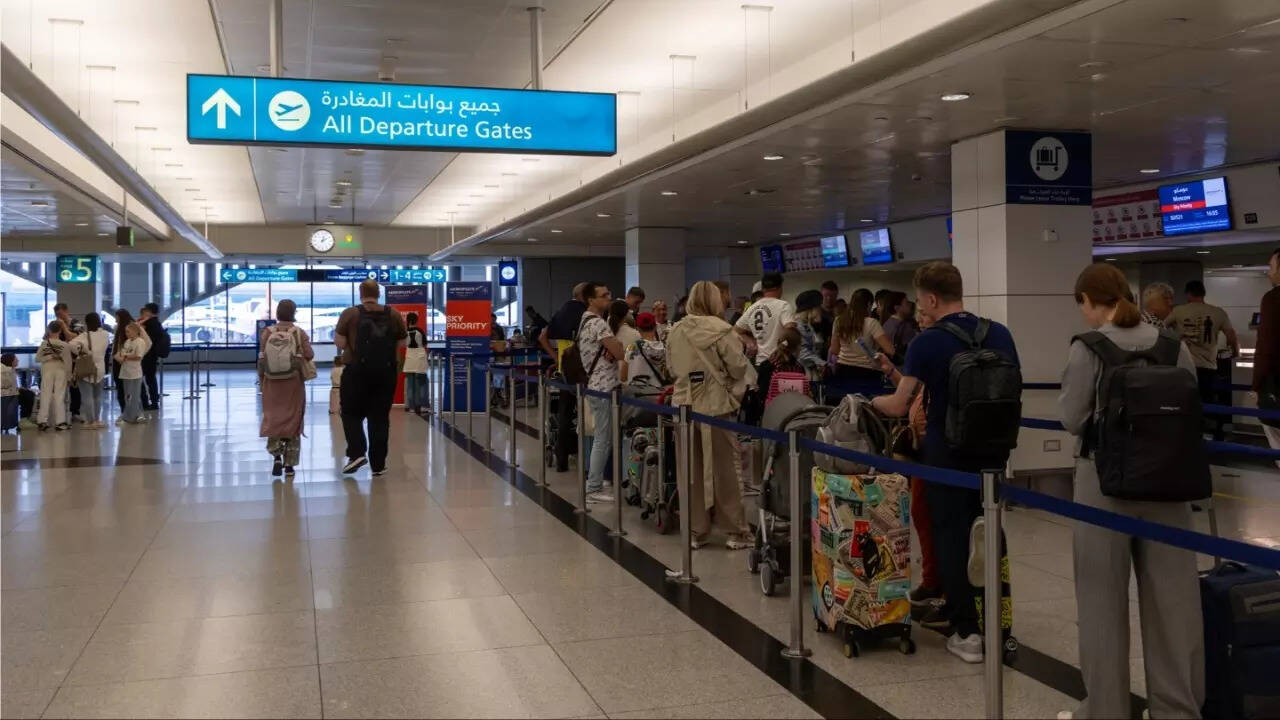
The advisory specifically recommends arriving earlier than usual for flights. This allows for potential unforeseen delays and additional security checks. Travelers are encouraged to utilize official airport and airline communication channels for the most current information regarding their journeys.
Understanding Flight Disruptions and Rerouting Strategies
Flight disruptions in the context of geopolitical tensions typically involve two primary outcomes: delays or rerouting. Airlines meticulously assess risk profiles for various air corridors. If an airspace is deemed unsafe, alternative routes are immediately sought, often adding considerable time to journeys.
Rerouting means planes avoid specific areas, often flying longer distances and consuming more fuel. These operational adjustments are critical for passenger safety but inevitably lead to schedule changes. Travelers might experience extended flight times or even connections being missed due to these unforeseen circumstances.
The Geopolitical Backdrop: US, Israel, and Iran Dynamics
The current airspace advisories are a direct consequence of long-standing geopolitical tensions in the Middle East, specifically involving the US, Israel, and Iran. The region has historically been a nexus of complex political and military interests. Any perceived escalation in rhetoric or action can trigger a swift response in travel advisories.
Recent events have intensified these long-standing rivalries. The potential for broader conflict creates an environment of uncertainty for all forms of transit. Aviation authorities globally monitor these situations closely, implementing safeguards to protect civilian air traffic.
Escalation Concerns and Regional Stability
The specter of further escalation directly influences the perception of regional stability. Even without direct conflict affecting civilian zones, the proximity of military activities can prompt precautionary measures. Aviation regulators prioritize safety above all else, even if it means significant operational adjustments.
Heightened alerts among military forces in the region naturally impact commercial flight paths. Airlines are often advised or mandated to avoid certain areas. These decisions are made based on intelligence assessments and a commitment to preventing any risk to passenger aircraft.
Impact on UAE’s Renowned Aviation Hub Status
The United Arab Emirates has meticulously built its reputation as a premier global aviation hub. Major airports in Dubai, Abu Dhabi, and Sharjah serve as critical connecting points for millions of passengers annually. Any sustained disruption poses a significant challenge to this status.
The efficiency and safety of its airspace are paramount to the UAE’s economic strategy. While authorities are adept at managing crises, prolonged instability could deter future growth. Maintaining confidence among airlines and passengers is a continuous effort during such times.
Economic Repercussions and Traveler Confidence
Flight disruptions carry substantial economic repercussions for airlines, airports, and the broader tourism sector. Delays and rerouting increase operational costs through higher fuel consumption and crew expenses. These additional costs can erode profit margins for carriers.
More critically, geopolitical instability can significantly erode traveler confidence. Potential passengers might choose to defer or cancel travel plans to the region. This reduction in demand can have a lasting impact on aviation and related industries, affecting employment and revenue generation.
Navigating Travel During Unrest: A Passenger’s Guide
For passengers, navigating travel during periods of regional unrest requires proactive planning and flexibility. The primary advice remains to stay continuously updated on the latest developments. Information is the most powerful tool in managing potential disruptions.
It is also crucial to understand your rights as a passenger, which can vary depending on the airline and the nature of the disruption. Checking travel insurance policies for coverage related to geopolitical events is also highly recommended. Being prepared can significantly reduce stress and inconvenience.
Checking Flight Status and Airline Communication
The most immediate and effective action for travelers is to regularly check the status of their flights. Most airlines offer real-time updates through their websites, mobile apps, and SMS notifications. Subscribing to these alerts is advisable.
Airlines are obligated to communicate significant changes to their passengers. Ensure your contact details are updated with the airline. Direct communication from your carrier will always be the most reliable source for specific flight information, including delays, cancellations, or gate changes.
Broader Regional Airspace Management and Coordination
The current situation necessitates heightened coordination among various regional aviation authorities. Gulf Cooperation Council (GCC) nations and their respective air traffic control centers work in tandem. This collaboration ensures safe alternative routes are identified and communicated efficiently across borders.
International aviation bodies also play a crucial role in providing guidelines and support. The focus is on maintaining an organized and safe airspace, even under challenging circumstances. The collective effort minimizes risks and keeps essential air links operational.
International Aviation Body Responses
Organizations such as the International Civil Aviation Organization (ICAO) and the International Air Transport Association (IATA) closely monitor global airspace safety. They issue recommendations and coordinate with national aviation authorities during periods of heightened risk. Their role is to standardize practices and disseminate critical safety information.
These bodies also facilitate communication channels between airlines and governments. This ensures that a unified approach to airspace management is adopted. Such concerted efforts help maintain the integrity of international air travel, even amidst geopolitical turbulence.
Official Statements and Reliable Information Channels
In times of heightened geopolitical sensitivity, relying solely on official sources for information is paramount. Misinformation can cause unnecessary panic and confusion. Government advisories, airport websites, and direct airline communications are the most trustworthy channels.
For comprehensive official statements and continuous updates regarding the situation, please refer to the Official Source. This ensures access to verified facts and directives. Always cross-reference information from multiple reliable platforms.
Staying Informed on Evolving Situations
The geopolitical landscape is dynamic, with situations evolving rapidly. Staying continuously informed is key for both travelers and those in the aviation industry. Subscribing to alerts from reputable news organizations and aviation authorities is highly recommended.
Understanding the latest trends in regional stability and travel advisories can help in making informed decisions. For broader insights into current events and emerging patterns, explore latest trends to stay ahead of developments. This proactive approach ensures preparedness for any changes that may arise.
Frequently Asked Questions (FAQs)
1. What specifically is the Sharjah Airport advisory urging passengers to do?
The Sharjah Airport advisory specifically urges passengers to arrive at the airport well in advance of their scheduled flight times. This recommendation is intended to allow for potential unforeseen delays, such as increased security checks or rerouting procedures. Additionally, it advises passengers to constantly monitor their flight status through official airline and airport communication channels before departing for the airport. This proactive approach helps passengers stay informed about any changes to their travel plans.
2. Which flight routes or destinations are most affected by these disruptions?
While specific routes are not always publicly disclosed for security reasons, flights that typically traverse or approach the airspace over Iran or the Persian Gulf region are most likely to be affected. This includes routes connecting the UAE to destinations in Europe, parts of Asia, and North America, which often use these corridors. Airlines will implement rerouting strategies to avoid any perceived high-risk areas, leading to longer flight paths and potential delays for these particular journeys. It is always best to check with your specific airline.
3. What should passengers do if their flight is delayed or canceled due to the airspace issues?
If your flight is delayed or canceled, the first step is to contact your airline directly. Airlines will typically provide options such as rebooking on the next available flight, offering refunds, or providing accommodation if the delay is significant and overnight. Passengers should keep all travel documents handy and maintain open communication with airline staff. It is also advisable to understand your passenger rights under international conventions or local regulations, which may vary depending on the airline and the specific circumstances of the disruption.
4. Is air travel in the UAE generally safe given the current regional tensions?
Aviation authorities in the UAE and international bodies prioritize passenger safety above all else. While regional tensions necessitate advisories and operational adjustments, these measures are precisely designed to maintain the highest levels of safety for civilian air traffic. Airlines actively reroute flights to avoid any potentially dangerous airspace. Therefore, air travel within and from the UAE remains generally safe, as flights are only permitted to operate through corridors deemed secure and continuously monitored by aviation experts and defense systems.
5. How long are these airspace disruptions and advisories expected to last?
The duration of airspace disruptions and advisories is directly linked to the evolving geopolitical situation. Since these tensions are fluid and unpredictable, it is difficult to provide a specific timeline. Advisories may be in place for an extended period, or they could be updated as the situation changes. Passengers should assume that heightened vigilance and potential disruptions may continue for the foreseeable future. Regular checks of official sources will provide the most current outlook on the situation’s expected duration and its impact on travel.
6. What exactly is “airspace rerouting” and how does it affect my journey?
Airspace rerouting refers to the practice where air traffic controllers or airlines direct aircraft away from their standard, planned flight paths. This is typically done to avoid areas deemed unsafe due to military activity, political instability, or severe weather. For your journey, rerouting means your flight will likely take a longer path, consuming more fuel and extending the total travel time. It could also lead to delays in departure or arrival, potentially affecting connecting flights. The primary goal of rerouting is always to ensure the safety of everyone on board.
7. How does this specific conflict (US-Israel vs. Iran) impact global aviation beyond the Middle East?
While the immediate impact is most felt in the Middle East, the conflict has broader implications for global aviation. Many intercontinental flights, particularly those connecting Europe and Asia, utilize Middle Eastern airspace as a crucial link. Rerouting these flights can strain capacity in alternative air corridors, increase fuel costs for airlines globally, and extend flight durations for passengers worldwide. It also highlights the interconnectedness of global air travel, where regional instability can have a ripple effect on international routes and schedules across continents.
8. Are other UAE airports (e.g., Dubai, Abu Dhabi) also issuing similar advisories or experiencing disruptions?
It is highly probable that other major airports in the UAE, such as Dubai International (DXB) and Abu Dhabi International (AUH), are also implementing similar precautionary measures and advisories. While the Sharjah Airport advisory gained specific attention, air traffic control for the entire UAE operates under a unified safety protocol. All major airports within the country would collectively respond to regional security assessments. Passengers traveling through any UAE airport should follow similar advice: check flight statuses, arrive early, and stay updated through official channels.
9. What are my rights as a passenger if my flight is affected by these geopolitical events?
Passenger rights in situations like these often depend on the specific airline’s policies and the applicable aviation regulations (e.g., EU261, US Department of Transportation rules, or IATA guidelines). Generally, if an airline cancels a flight due to circumstances beyond its control (like geopolitical events, often termed “extraordinary circumstances”), they are usually obligated to offer a rebooking or a refund. However, compensation for delays might not apply. It’s crucial to consult your airline’s contract of carriage and your travel insurance policy to understand your entitlements regarding alternative arrangements, meals, or accommodation.
10. Where can I find real-time, official updates on flight statuses and airport operations?
For real-time, official updates on flight statuses and airport operations, the most reliable sources are the airline’s official website or mobile application and the specific airport’s official website. Many airports and airlines also offer SMS or email alert services that you can subscribe to for immediate notifications. Additionally, reputable flight tracking websites and apps can provide general information, but always cross-reference with the primary airline or airport source. Avoid unofficial social media accounts for critical travel information to ensure accuracy and timeliness.
UAE airspace
Sharjah Airport advisory
US-Israel war Iran
Flight disruptions Middle East
Air travel safety UAE
Geopolitical tensions aviation
Passenger advisory Sharjah
Flight rerouting impact
Middle East airspace security
Dubai Airport disruptions
Abu Dhabi flights
Traveler confidence Middle East
Airline operational changes
Regional stability aviation
Aviation news UAE
Source: Times of India


