




Iran’s President
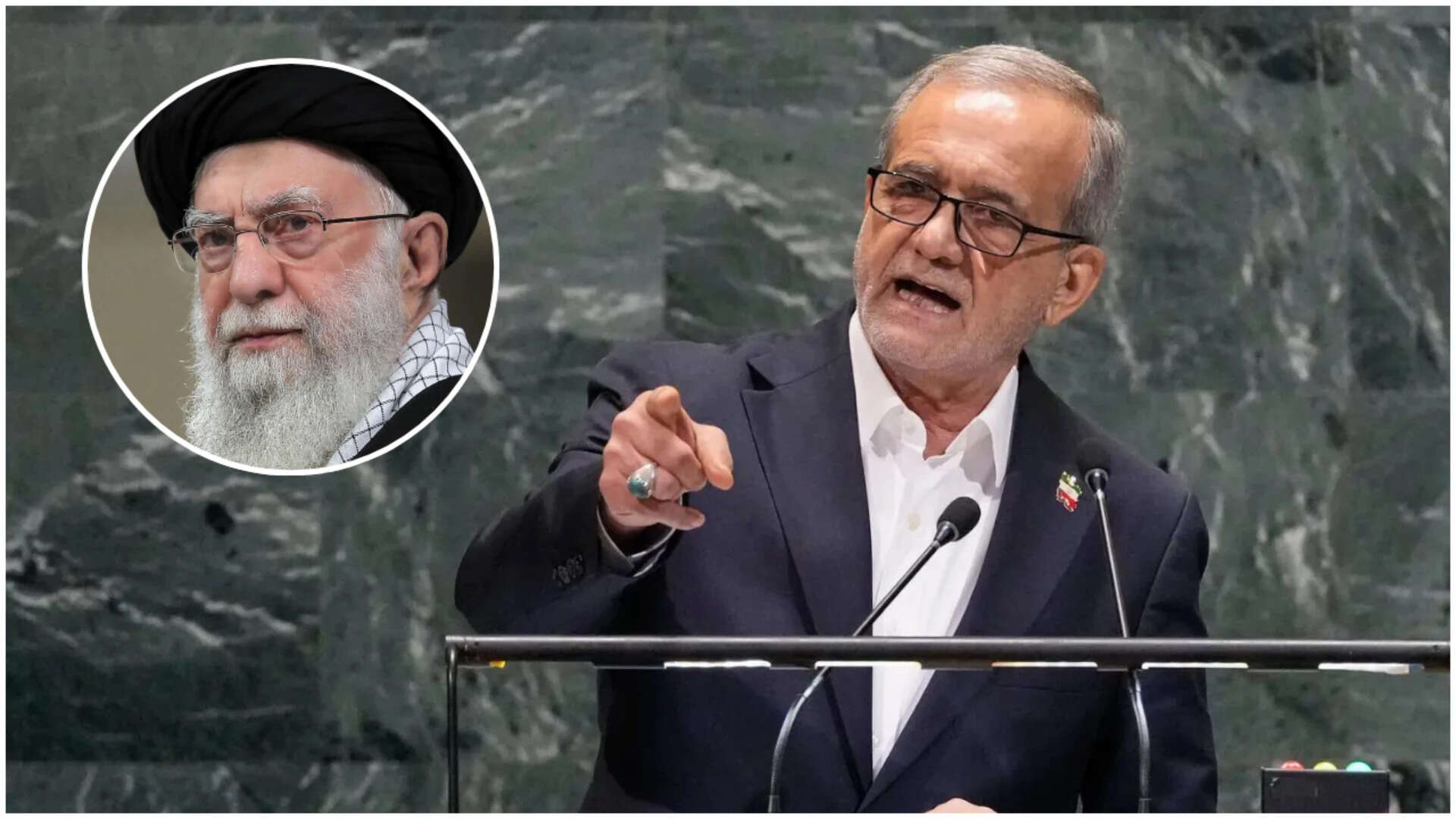
The Islamic Republic of Iran is reeling from the profound shock of Ayatollah Ali Khamenei’s assassination. President Masoud Pezeshkian has unequivocally declared that taking revenge is a “legitimate duty and right” for the nation.
This declaration marks a critical turning point, indicating a severe escalation of tensions in the already volatile Middle East. The global community watches anxiously, concerned about the potential for widespread conflict.
The Assassination: A Shockwave Across the Region
The news of Supreme Leader Ayatollah Ali Khamenei’s death sent immediate shockwaves across Iran and the international stage. Reports indicate that the assassination was carried out through alleged US-Israeli strikes, a claim vehemently condemned by Tehran.
This unprecedented attack targets the very core of Iran’s political and religious leadership. The stability of the region now hangs precariously in the balance.
Details of the Attack
Specific details surrounding the strike remain subject to ongoing investigation and conflicting reports. Iran has pointed fingers directly at hostile foreign powers, promising a decisive response.
The exact timing and method of the assassination underline the sophistication and audacity of the perpetrators. Security protocols across Iran have been significantly heightened in its wake.
Immediate Global Reactions
International bodies and world leaders have swiftly reacted, many expressing condolences and calling for de-escalation. The United Nations has urged all parties to exercise extreme restraint.
Major powers are assessing the implications of this event on global oil markets and regional security alliances. Diplomacy is being pushed as the only viable path to prevent further bloodshed.
President Pezeshkian’s Stern Declaration
In a powerful address to the nation, President Masoud Pezeshkian condemned the assassination as a heinous act of state terrorism. He assured the Iranian people that their leader’s sacrifice would not be in vain.
The President’s firm stance reflects the collective resolve of the Iranian government and its people. This tragic event has solidified a sense of unity and determination within the country.
Vows of ‘Legitimate Duty and Right’
President Pezeshkian emphasized that Iran’s response would be guided by principles of justice and national sovereignty. He articulated that retaliation for such an egregious act is an inherent right.
This declaration suggests a calculated and measured, yet unyielding, approach to vengeance. The world now awaits the form and timing of Iran’s promised retribution.
Implications for Regional Stability
The President’s vow carries immense weight for the stability of the entire Middle East. Any retaliatory action could ignite a wider regional conflict.
Neighboring countries and international observers are bracing for potential ripple effects across trade routes, energy supplies, and diplomatic relations. The stakes could not be higher for regional peace.
A Nation in Mourning and Resolve
Millions of Iranians have poured into the streets, mourning the loss of their spiritual and political guide. The funeral processions have become massive demonstrations of national grief and solidarity.
Despite the immense sorrow, a palpable sense of resolve and defiance is evident among the populace. The nation stands united against what it perceives as external aggression.
Public Sentiment and Solidarity
Across cities and villages, Iranian citizens have expressed profound grief and anger. State media has extensively covered the outpouring of national unity.
This shared experience of loss is fostering a strong sense of national cohesion. People are rallying behind their leadership during this challenging period.
Calls for Unity Amidst Grief
Leading figures across Iran’s political and religious spectrum have called for unwavering unity. They stress that internal divisions must be set aside to face external threats.
This period of mourning is transforming into a moment of national introspection and collective resolve. The future trajectory of the nation is being shaped by this unprecedented event.
Geopolitical Ramifications and International Response
The assassination of Iran’s Supreme Leader has dramatically altered the geopolitical landscape. Nations are recalibrating their foreign policies in light of this new reality.
The intricate web of alliances and rivalries in the Middle East is now more strained than ever. Every diplomatic move and statement is being scrutinized for its potential impact.
US and Israeli Silence or Denials
Following Iran’s accusations, both the United States and Israel have largely maintained official silence or issued vague denials. Their non-committal responses further fuel Iranian suspicions.
This lack of clear statements only deepens the ambiguity surrounding the incident’s origins. The absence of definitive information contributes to heightened global anxiety.
UN and World Powers’ Appeals for Calm
The United Nations Security Council has convened emergency sessions, urging all involved parties to de-escalate tensions immediately. International calls for peace are growing louder.
World powers, including China and Russia, have voiced concerns over regional destabilization. They advocate for diplomatic solutions over military confrontation.
Shifting Alliances and Tensions
Existing regional alliances are under immense pressure as nations choose sides or seek neutrality. The geopolitical chessboard of the Middle East is rapidly being reconfigured.
Tensions between Iran and its adversaries are at an all-time high, threatening to spill over into broader conflicts. The delicate balance of power is severely disrupted.
Historical Precedents and Future Trajectories
Iran has a long history of responding forcefully to perceived acts of aggression against its sovereignty. The current situation might trigger responses seen in past conflicts.
Understanding these historical patterns is crucial for predicting potential future actions. Iran’s strategic patience is often followed by decisive countermeasures.
Iran’s History of Retaliation
Throughout its modern history, Iran has demonstrated a capacity for both overt and covert retaliation. Past incidents involving attacks on its personnel or interests have often met with a robust response.
This history informs the current rhetoric from President Pezeshkian, underscoring a commitment to reciprocal action. The scope and target of any Iranian response remain subjects of intense speculation.
Potential Scenarios for Escalation
Analysts are outlining various scenarios, from targeted cyber-attacks to direct military engagements. The potential for miscalculation on any side is dangerously high.
Escalation could involve proxy forces, naval confrontations, or missile strikes across the region. The international community is actively working to prevent these worst-case outcomes.
Economic and Social Impacts
Beyond immediate military concerns, the assassination and its aftermath carry significant economic and social implications for Iran. The economy could face further instability.
Social cohesion, while currently high due to mourning, could be tested by prolonged conflict or hardship. The long-term effects on the nation’s development are substantial.
The Role of the Revolutionary Guard
The Islamic Revolutionary Guard Corps (IRGC) plays a pivotal role in Iran’s defense and security architecture. Their response will be central to Iran’s overall strategy.
The IRGC is a highly disciplined and ideologically committed force, often seen as the ultimate guarantor of the Islamic Republic’s survival. Their strategic decisions are critical.
Guard’s Stance and Operational Readiness
Following the assassination, the IRGC has reportedly declared its full operational readiness and commitment to avenging the Supreme Leader. Their statements are resolute and unwavering.
This powerful military and paramilitary organization commands vast resources and influence. Their capabilities range from conventional warfare to asymmetric operations.
Protecting Iran’s Sovereignty
The IRGC views the defense of Iran’s sovereignty and revolutionary ideals as its sacred duty. This principle will undoubtedly guide their actions in the coming period.
Their role extends beyond military defense to safeguarding the internal stability of the nation. The Guard’s unified stance reinforces the government’s declared intent.
The Path Forward: Diplomacy or Confrontation?
The international community is at a crossroads, desperately seeking a diplomatic off-ramp from potential conflict. Dialogue and negotiation are being championed as vital tools.
However, Iran’s declared intent for retribution complicates diplomatic efforts significantly. The balance between justice and peace remains fragile.
International Mediation Efforts
Various countries and international organizations are attempting to mediate between Iran and its perceived adversaries. These efforts aim to prevent a full-blown military confrontation.
Channels for back-channel communication are likely open, even if publicly denied. De-escalation remains the paramount objective for global stability.
Iran’s Strategic Calculations
Iran’s leadership is now facing immense pressure to respond, but their actions will be strategically calculated. They must weigh the costs and benefits of any retaliation.
The long-term interests of the Islamic Republic will dictate the nature and timing of their response. For the latest trends in geopolitical analysis, consult expert opinions.
President Pezeshkian’s declaration signals a new and dangerous chapter in regional geopolitics. The world waits with bated breath for Iran’s next move, which could redefine the future of the Middle East, as reported by an Official Source.
Frequently Asked Questions
Who was Ayatollah Ali Khamenei and what was his role?
Ayatollah Ali Khamenei served as the second Supreme Leader of Iran, a position he held since 1989 following the death of Ayatollah Ruhollah Khomeini. As Supreme Leader, he was the highest spiritual and political authority in Iran, wielding ultimate power over all major state policies, including foreign policy, defense, and the judiciary.
His role encompassed guiding the country’s Islamic revolutionary principles, acting as the commander-in-chief of the armed forces, and having the final say on strategic national decisions. He shaped Iran’s trajectory for over three decades, influencing its domestic and international posture significantly.
What are the alleged circumstances of his assassination?
According to Iranian reports and the context of President Pezeshkian’s statements, Ayatollah Ali Khamenei was assassinated in alleged strikes attributed to the United States and Israel. While specific details remain contested and official confirmation from accused parties is absent, Iran has unequivocally pointed fingers at these foreign powers.
The alleged circumstances suggest a sophisticated and targeted operation, leading to immediate accusations of state-sponsored terrorism from Tehran. This narrative forms the basis for Iran’s vows of retribution, framing the act as an egregious violation of sovereignty.
Who has Iran accused of being behind the attack?
Iran has explicitly accused the United States and Israel of being responsible for the assassination of Supreme Leader Ayatollah Ali Khamenei. These accusations are central to President Pezeshkian’s declaration of “legitimate duty and right” to avenge the leader’s death.
Tehran views the alleged involvement of these two nations as a direct act of aggression and a significant escalation of long-standing tensions. This direct attribution sets the stage for potential retaliatory actions against perceived American and Israeli interests.
What does President Pezeshkian mean by ‘legitimate duty and right’?
When President Pezeshkian refers to ‘legitimate duty and right,’ he is asserting Iran’s sovereign prerogative to respond forcefully to an act of aggression against its highest authority. This phrase implies that any retaliatory action taken by Iran would be considered justified under international law and national self-defense principles.
It signals that Iran views the assassination not merely as a crime, but as an act of war that demands an proportionate and lawful response. The declaration is a clear warning that Iran will not absorb the attack without consequence, positioning its future actions as a matter of justice and national honor.
What are the potential immediate consequences of this event for Iran?
Immediately, Iran is facing a profound leadership void and a period of national mourning, coupled with heightened internal security concerns. The unexpected death of its Supreme Leader creates uncertainty regarding succession and the continuity of its long-term policies, particularly concerning its nuclear program and regional influence.
Furthermore, the nation is bracing for potential further destabilization, as it weighs its options for retaliation against those it accuses. The event could lead to a rapid mobilization of its military and paramilitary forces, increasing the risk of direct conflict in the immediate future.
How might this impact the broader Middle East region?
The assassination carries immense potential for destabilizing the entire Middle East, which is already a highly volatile region. It could ignite a direct conflict between Iran and its adversaries, drawing in regional and international powers into a wider confrontation.
Proxy conflicts might intensify, affecting countries like Syria, Lebanon, Iraq, and Yemen, where Iran holds significant influence. The incident also poses a severe threat to global energy supplies and international shipping lanes, impacting economies worldwide.
What has been the international community’s reaction?
The international community has largely reacted with deep concern, expressing condolences while simultaneously calling for urgent de-escalation and restraint from all parties. The United Nations and numerous world leaders have issued appeals to prevent further violence and urged diplomatic solutions.
Many nations are closely monitoring the situation, conducting emergency security assessments, and advising their citizens on travel to the region. The predominant international sentiment is one of apprehension, prioritizing the avoidance of a larger conflict at all costs.
How is Iran’s leadership succession typically handled?
The succession of Iran’s Supreme Leader is handled by the Assembly of Experts, a body of 88 Islamic clerics elected by the people. This Assembly is constitutionally tasked with selecting a new Supreme Leader from among qualified religious scholars (Marja’) based on criteria such as scholarly merit, piety, and political acumen.
The process is designed to ensure continuity and legitimacy within the framework of the Islamic Republic’s constitution, though it can be a complex and politically charged affair. The Assembly’s decision is final and binding, underscoring the theocratic nature of Iran’s political system.
What are the precedents for Iranian retaliation in similar situations?
Iran has a history of responding to attacks on its key figures or strategic interests, often employing a mix of overt and covert actions. Past retaliations have included missile strikes against adversary bases, support for regional proxy groups to launch attacks, and cyber warfare.
Notably, after the 2020 assassination of Qassem Soleimani, Iran launched ballistic missiles at US forces in Iraq, demonstrating its capability and resolve. These precedents suggest that Iran’s response will likely be carefully calibrated but firm, aiming to send a clear message without necessarily provoking an all-out war immediately.
What role do domestic politics play in Iran’s response?
Domestic politics play a significant role in shaping Iran’s response to the assassination. The government faces immense public pressure to avenge the Supreme Leader’s death, which is seen as an attack on the nation’s pride and sovereignty. Failure to respond decisively could undermine the legitimacy and authority of the current leadership.
President Pezeshkian’s strong statements reflect this internal demand for retribution and unity. The response will also aim to consolidate support among various factions within the ruling establishment, reinforcing national cohesion during this critical period.
Iran, Supreme Leader, Ayatollah Ali Khamenei, Assassination, President Masoud Pezeshkian, Revenge, Retribution, Middle East, Geopolitics, US-Israel strikes, Regional Stability, IRGC, Iranian Foreign Policy, Tehran, De-escalation.

