

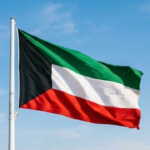





UAE’s Resilience
Introduction to the UAE’s Economic Landscape
The United Arab Emirates stands as a beacon of economic stability and growth within a dynamic Middle Eastern region. Its diversified economy has consistently demonstrated resilience against global and regional challenges.
Recent geopolitical escalations involving Iran, the US, and Israel have naturally raised questions about the potential impact on regional markets and daily life in the Emirates.
Market Stability in Challenging Times
The UAE government and its financial institutions have a robust framework designed to absorb external shocks. This strategic foresight helps in maintaining a stable economic environment for residents and investors alike.
Confidence in the UAE’s economic outlook remains strong, bolstered by proactive government policies and substantial sovereign wealth funds.
Economic Resilience and Diversification
The UAE has significantly reduced its reliance on oil revenues over the past decades. Investments in tourism, trade, logistics, finance, and technology sectors contribute substantially to the national GDP.This diversification strategy acts as a critical buffer, shielding the economy from sharp fluctuations in global oil prices and regional tensions.
Advanced infrastructure and a business-friendly environment also attract significant foreign direct investment. Such inflows further cement the nation’s economic stability.The UAE’s strategic location at the crossroads of global trade routes enhances its economic importance. This positioning attracts diverse business operations and talent.Consistent government spending on infrastructure projects and social programs further stimulates internal demand. This creates a balanced and robust economic ecosystem.
Government Measures for Market Assurance
Authorities in the UAE are closely monitoring global and regional economic indicators. They are prepared to implement swift measures to mitigate any adverse effects.These measures include fiscal incentives, regulatory adjustments, and strategic communication to reassure both consumers and businesses.The Central Bank of the UAE maintains a vigilant stance on liquidity and credit conditions. This ensures the financial system remains robust and functional.
Economic ministries regularly engage with private sector stakeholders. This collaboration helps in identifying potential challenges and crafting effective solutions.Public awareness campaigns are launched to provide accurate information and dispel rumors. This fosters informed decision-making among residents.
Food Prices and Supply Chain Integrity
Concerns about food security often emerge during periods of geopolitical uncertainty. The UAE, being a net importer of food, has long prioritized robust supply chain management.Official statements consistently confirm ample food stocks and stable pricing across all major consumer goods categories.
Current Status of Food Supplies
Supermarkets and hypermarkets across the Emirates report no shortages of essential goods. Shelves remain fully stocked, reflecting efficient supply logistics.Regular inspections by economic departments ensure fair pricing and prevent unjustified price hikes by retailers.Consumer goods remain readily available, dispelling fears of widespread scarcity. This consistency underlines the nation’s preparedness.Availability extends across fresh produce, packaged goods, and specialized food items. This caters to the diverse population residing in the UAE.Retailers are actively working with suppliers to maintain a consistent flow of products. Their proactive measures support continuous availability.
Strategic Food Reserves
The UAE maintains substantial strategic food reserves, capable of meeting demand for extended periods. These reserves are continuously replenished and optimized.This proactive approach significantly reduces vulnerability to disruptions in international supply lines.Government initiatives support local agricultural production where feasible. This further enhances self-sufficiency for certain food items.Warehousing and cold chain logistics are state-of-the-art. This ensures the quality and longevity of stored food products.Regular audits of reserve levels are conducted. This ensures optimal stock management and quick response capabilities.
Diversification of Import Sources
The UAE sources its food imports from a wide array of global partners. This geographical diversification minimizes risks associated with disruptions in any single region or trade route.New agreements and partnerships are constantly being forged to expand the network of reliable suppliers. This ensures continuous access to diverse food products.Logistical hubs like Jebel Ali Port play a crucial role. They facilitate smooth and efficient entry of goods into the country.Air cargo networks also provide swift transport for perishable goods. This complements sea-based supply routes, enhancing flexibility.
The strategy of multi-country sourcing creates robust redundancy. It effectively insulates the nation from isolated geopolitical incidents.
Stock Market Performance and Investor Sentiment
Regional tensions often lead to volatility in financial markets. UAE stock exchanges, however, have demonstrated considerable resilience.While some short-term fluctuations may occur, the underlying fundamentals of listed companies generally remain strong.
Index Movements and Market Activity
Major indices like the DFM General Index and ADX General Index have shown adaptability. They reflect a market that quickly processes information and stabilizes.Trading volumes might see temporary spikes or dips in response to breaking news. However, broader market trends indicate underlying strength.Long-term investors continue to view UAE markets favorably. They are attracted by robust corporate earnings and attractive dividend yields.Sector-specific performance varies, with some areas like technology and logistics showing sustained growth. This reflects diversification efforts.
Market capitalization has continued its upward trajectory over recent years. This highlights growing investor confidence and economic expansion.
Maintaining Investor Confidence
Regulators are committed to ensuring market transparency and fairness. This instills confidence among both local and international investors.The UAE’s status as a safe haven for capital continues to attract investment even during uncertain global periods.Clear communication from market authorities helps in dispelling rumors and providing accurate information. This is vital for maintaining investor trust.
Strict governance frameworks protect investor interests. These frameworks ensure ethical practices and market integrity.Access to reliable market data and expert analysis further empowers investors. This allows for informed decision-making.
Sectoral Impacts and Opportunities
Certain sectors, such as logistics and technology, might even see increased activity or investment. This reflects their strategic importance in the regional economy.Energy and financial sectors, while sensitive to global events, are well-capitalized and managed. They are equipped to navigate market shifts.Real estate continues to be a strong draw for investors. Its long-term growth prospects are supported by population growth and economic development.
Healthcare and education sectors are also experiencing significant government and private investment. This creates new opportunities for growth.Renewable energy initiatives are attracting substantial capital. This aligns with the UAE’s vision for a sustainable future and economic diversification.
Oil Prices and the Regional Energy Landscape
Oil prices are inherently sensitive to geopolitical developments in the Middle East. Any escalation often triggers an immediate market reaction.The UAE, as a major oil producer, plays a significant role in global energy markets. It is also well-positioned to manage price fluctuations.
Global Impact of Oil Price Surges
Rising oil prices can impact global inflation and economic growth. This is a concern for many importing nations worldwide.Geopolitical risks in key oil-producing regions contribute to price volatility. Market speculation also plays a role in these movements.The international community closely watches developments in the Arabian Gulf. This region is critical for global energy supply.
Consumer spending and industrial production can be affected by higher energy costs. This often leads to broader economic adjustments.Shipping costs also tend to rise with crude oil prices. This has a cascading effect on the cost of goods globally.
UAE’s Position and Strategic Response
The UAE adheres to its commitments within OPEC+, working towards market stability. It aims to ensure a balanced supply to meet global demand.Its substantial oil reserves and advanced production capabilities provide a degree of insulation. This helps manage the economic impact of price swings.Higher oil revenues, when they occur, are often channeled into diversification projects. This further strengthens the non-oil economy.
Investments in renewable energy sources are accelerating. This supports a transition towards a more sustainable energy mix.The UAE leverages its influence to advocate for stable energy markets. It supports policies that benefit both producers and consumers.
Addressing Panic Buying in the Emirates
Reports of panic buying can sometimes emerge during periods of heightened concern. However, official sources and retail observations indicate this is not a widespread phenomenon.Any isolated incidents are typically short-lived. They are quickly mitigated by assurances from authorities and retailers.
Understanding Consumer Behavior
Human psychology often leads to anticipatory buying when news suggests potential disruptions. This is a natural, albeit sometimes irrational, response.However, the informed public in the UAE largely trusts the government’s ability to maintain supplies. This helps prevent widespread panic.Social media rumors can sometimes amplify minor events. It is important to rely on latest trends from credible news outlets and official announcements.
Educational campaigns also help to manage public expectations. They emphasize the robustness of the supply chain.Past experiences of calm and stability reinforce confidence. This reduces the likelihood of panic responses during new events.
Retailer Responses and Preparedness
Major retail chains have well-established contingency plans for supply chain management. They are accustomed to managing fluctuating demand.Stores are quick to restock shelves and assure customers of continuous product availability. This proactive approach helps curb any nascent panic.Promotions and consumer awareness campaigns also help normalize shopping patterns. They emphasize the abundance of goods.
Collaboration between retailers and government agencies is robust. This ensures a coordinated response to any supply concerns.Efficient inventory management systems are in place. These prevent unnecessary overstocking or stockouts.
Official Assurances and Public Trust
Government ministries and departments frequently issue statements. They reassure the public about essential supplies and economic stability.These communications are crucial in fostering trust and discouraging unnecessary stockpiling. They emphasize facts over speculation.The proactive stance of authorities demonstrates their commitment to public welfare. This reinforces confidence in the nation’s leadership.
Regular press conferences and official briefings provide transparent updates. This helps in managing public perception effectively.Strict penalties for price gouging deter opportunistic behavior. This further protects consumers during sensitive periods.
The Geopolitical Context: Iran–US–Israel Escalation
The complex interplay between Iran, the US, and Israel forms a critical backdrop to regional stability. Any escalation carries potential ramifications.The UAE maintains a balanced foreign policy. It prioritizes dialogue and de-escalation to preserve peace and economic prosperity in the region.
Regional Tensions and Diplomatic Efforts
Diplomatic channels are continuously engaged to de-escalate tensions. Regional stability is a shared interest for all nations.The UAE actively participates in regional and international forums. It advocates for peaceful resolutions to conflicts.Such efforts highlight the nation’s commitment to a secure and prosperous Middle East. This benefits its economy and global trade.
Bilateral relationships with key global powers are carefully managed. This allows the UAE to play a mediating role when necessary.The emphasis on soft power and economic diplomacy is a hallmark of UAE foreign policy. This contributes to regional harmony.
Impact on Trade Routes and Logistics
Concerns about the security of vital shipping lanes, such as the Strait of Hormuz, often arise. These routes are crucial for global trade.However, the UAE has diversified its logistical infrastructure. It offers alternative trade routes and ports, enhancing resilience against disruptions.Modern port facilities and robust security measures ensure the continuous flow of goods. This safeguards international supply chains.
Strategic investments in rail and road networks further strengthen internal and regional connectivity. This reduces reliance on specific sea routes.The development of free zones and economic clusters also attracts businesses. These contribute to a resilient and adaptable trade environment.
Outlook and Future Projections for the UAE
Despite regional complexities, the long-term economic outlook for the UAE remains positive. Its strategic vision and robust policies underpin this optimism.Continuous investment in innovation, human capital, and sustainable development positions the UAE for sustained growth.The nation’s ability to adapt and innovate ensures its enduring appeal as a hub for business, tourism, and investment.
Future growth is expected to be driven by sectors like artificial intelligence, fintech, and renewable energy. These align with national development agendas.Government initiatives like visa reforms and ease-of-doing-business policies will continue to attract talent and capital. This fosters long-term prosperity.
Frequently Asked Questions
Q1: Is the UAE market experiencing significant instability due to regional tensions?
A1: No, the UAE market has demonstrated remarkable stability despite regional geopolitical tensions. The government’s proactive economic diversification strategies and robust financial frameworks have effectively buffered against external shocks. While minor fluctuations can occur in specific sectors, the overall market remains strong and resilient, reflecting investor confidence in the nation’s long-term economic outlook. This stability is a testament to years of strategic planning and prudent economic management by the authorities.
Q2: Are food prices surging in the Emirates, and are there any shortages?
A2: Official reports and observations from major retailers confirm that food prices remain stable, and there are no widespread shortages in the Emirates. The UAE maintains substantial strategic food reserves and has diversified its import sources extensively. Regular monitoring by economic departments also prevents unjustified price increases, ensuring essential goods are readily available and affordable. Consumers can therefore be assured of consistent access to a wide variety of food products at fair prices.
Q3: What is the current status of stock markets in the UAE amid the escalation?
A3: UAE stock markets, including the DFM and ADX, have shown resilience. While they may experience temporary volatility in response to global geopolitical news, their underlying fundamentals are strong. Investor confidence is maintained through transparent regulatory environments and the UAE’s status as a stable investment hub. Long-term trends indicate robust performance supported by strong corporate earnings, reflecting a mature and well-regulated financial system capable of weathering external pressures.
Q4: Has panic buying been observed across the Emirates?
A4: Isolated incidents of increased consumer buying might occur in response to sensational news, but widespread panic buying has not been observed in the Emirates. Retailers are quick to replenish stocks, and government assurances about supply chain integrity effectively calm any nascent concerns. The public generally trusts official statements regarding the availability of essential goods, preventing a broader surge in demand that could strain retail networks.
Q5: How are oil prices affecting the UAE economy?
A5: As a major oil producer, the UAE is sensitive to global oil price fluctuations. While surges can lead to increased revenues, the nation has significantly diversified its economy to reduce oil reliance. The UAE also plays a role in OPEC+ efforts to stabilize global oil markets. Any additional oil revenues are strategically reinvested into non-oil sectors to further strengthen economic diversification, thereby mitigating future dependency on hydrocarbon resources.
Q6: What measures has the UAE government taken to ensure stability?
A6: The UAE government has implemented a comprehensive set of measures. These include maintaining substantial financial reserves, diversifying the economy, ensuring robust food and essential goods supply chains, and transparently communicating with the public. Fiscal incentives, regulatory oversight, and diplomatic efforts to de-escalate regional tensions are also key components of their strategy. This multi-pronged approach underpins the nation’s consistent economic and social stability.
Q7: Are supply chains for essential goods secure?
A7: Yes, the UAE’s supply chains for essential goods are highly secure and resilient. The nation leverages its world-class logistics infrastructure, including major ports like Jebel Ali, and maintains diverse sourcing partnerships with countries globally. Strategic reserves further bolster this security, ensuring continuous availability of products. This intricate network of sourcing and logistics is regularly optimized to guarantee uninterrupted flow of goods.
Q8: How is investor confidence holding up in the UAE?
A8: Investor confidence in the UAE remains strong, largely due to the nation’s stable political environment, robust regulatory framework, and economic diversification. Despite regional geopolitical noise, the UAE is seen as a safe and attractive destination for foreign direct investment. Government transparency and proactive measures reinforce this positive sentiment, demonstrating a consistent commitment to protecting investments and fostering growth opportunities.
Q9: What is the UAE’s stance on the Iran–US–Israel escalation?
A9: The UAE maintains a policy of balanced diplomacy and actively promotes de-escalation through dialogue. It advocates for peaceful resolutions to regional conflicts and works with international partners to ensure stability. The nation prioritizes the security and prosperity of the entire region, recognizing the interconnectedness of regional stability and economic well-being. This principled approach emphasizes peaceful coexistence and cooperation.
Q10: Where can I find official information regarding market and price updates?
A10: For the most accurate and up-to-date information, it is recommended to consult official government websites and reputable news sources. The Ministry of Economy, the Central Bank of the UAE, and official news agencies regularly provide updates. You can also refer to Official Source for further insights into regional market dynamics. Relying on verified channels helps prevent the spread of misinformation and ensures access to credible data.
Conclusion: A Resilient Path Forward
The United Arab Emirates continues to navigate complex regional and global dynamics with remarkable stability and foresight. Its proactive economic strategies, robust infrastructure, and commitment to diversified growth provide a strong foundation.
The consistent availability of essential goods, stable market conditions, and unwavering government assurances reinforce confidence among residents and international partners alike. The UAE remains a testament to strategic resilience in a volatile world.
UAE Market Stability, Food Prices UAE, UAE Stock Market, Iran US Israel Escalation, Oil Prices Surge, Panic Buying Emirates, UAE Economic Resilience, Middle East Geopolitics, Dubai Market Update, Abu Dhabi Economy, UAE Food Security, Regional Stability, Investor Confidence UAE, Global Oil Markets, UAE Supply Chain