




Donald Trump’s Board
The concept of a “Board of Peace” under any administration suggests a dedicated effort towards de-escalation and diplomatic resolution. Yet, a stark irony emerges when examining the geopolitical landscape linked to such an initiative.
Many nations or figures perceived as instrumental in a peace-building framework are simultaneously embroiled in significant international conflicts.
The Paradox of the Board of Peace
Donald Trump’s administration often championed a unique approach to foreign policy, prioritizing “America First” while also seeking to broker historic peace deals. This ambition led to the conceptualization, explicit or implicit, of a “Board of Peace” designed to foster global stability.
However, the reality on the ground presents a complex picture, with key regions and actors experiencing heightened tensions rather than lasting tranquility.
Defining Peace in a Volatile Era
Peace itself is a fluid concept, often defined differently by various stakeholders and nations. What one party considers a peaceful resolution, another might view as an imposition or a precursor to further conflict.
This nuanced understanding is critical when evaluating the effectiveness of any peace-oriented board, particularly when its purported members are actively engaged in hostilities.
Key Players and Regional Tensions
Several nations and entities, central to discussions of global peace and security, have found themselves at the heart of recent or ongoing conflicts. Their involvement casts a long shadow over any genuine aspiration for a tranquil world order.
Understanding these specific flashpoints is crucial to grasping the magnitude of the challenge facing any global peace initiative.
The Middle East Conundrum: Israel and Iran
The relationship between Israel and Iran remains one of the most volatile dynamics in international politics. Both nations are frequently at odds, engaging in proxy conflicts and strategic maneuvers across the region.
These persistent tensions directly undermine broader efforts to secure lasting peace and stability in the Middle East, a region frequently at the forefront of global strategic concerns.
Israel, a staunch U.S. ally, has pursued its security interests with significant military action, particularly against perceived threats from Iran and its proxies. This has included operations in Syria, Lebanon, and Gaza, exacerbating existing regional fault lines.
The ongoing conflict narratives often frame these actions as existential necessities, further complicating any path towards a comprehensive peace agreement.
Iran, on the other hand, actively supports various non-state actors across the Middle East, viewing them as integral to its regional influence and defensive strategy. Its nuclear program and ballistic missile development continue to be major points of international contention.
The intricate web of alliances and rivalries ensures that even minor incidents can quickly escalate into broader confrontations, challenging diplomatic solutions.
South Asian Dynamics: Pakistan and USA Implications
Pakistan, another nation with a complex relationship with the United States, plays a significant role in regional stability, particularly concerning Afghanistan and India. Its internal security challenges and external relations often bring it into the ambit of global conflict discussions.
The U.S. has historically engaged with Pakistan on counter-terrorism efforts, but the relationship has seen periods of both cooperation and strain, reflecting evolving geopolitical priorities.
While not in direct conflict with the U.S., Pakistan’s involvement in regional security operations and its strategic ties with other global powers present unique complexities. The fight against extremism within its borders is a continuous effort with significant international implications.
These dynamics underscore the difficulty in drawing clear lines between states of peace and war when dealing with multifaceted international actors.
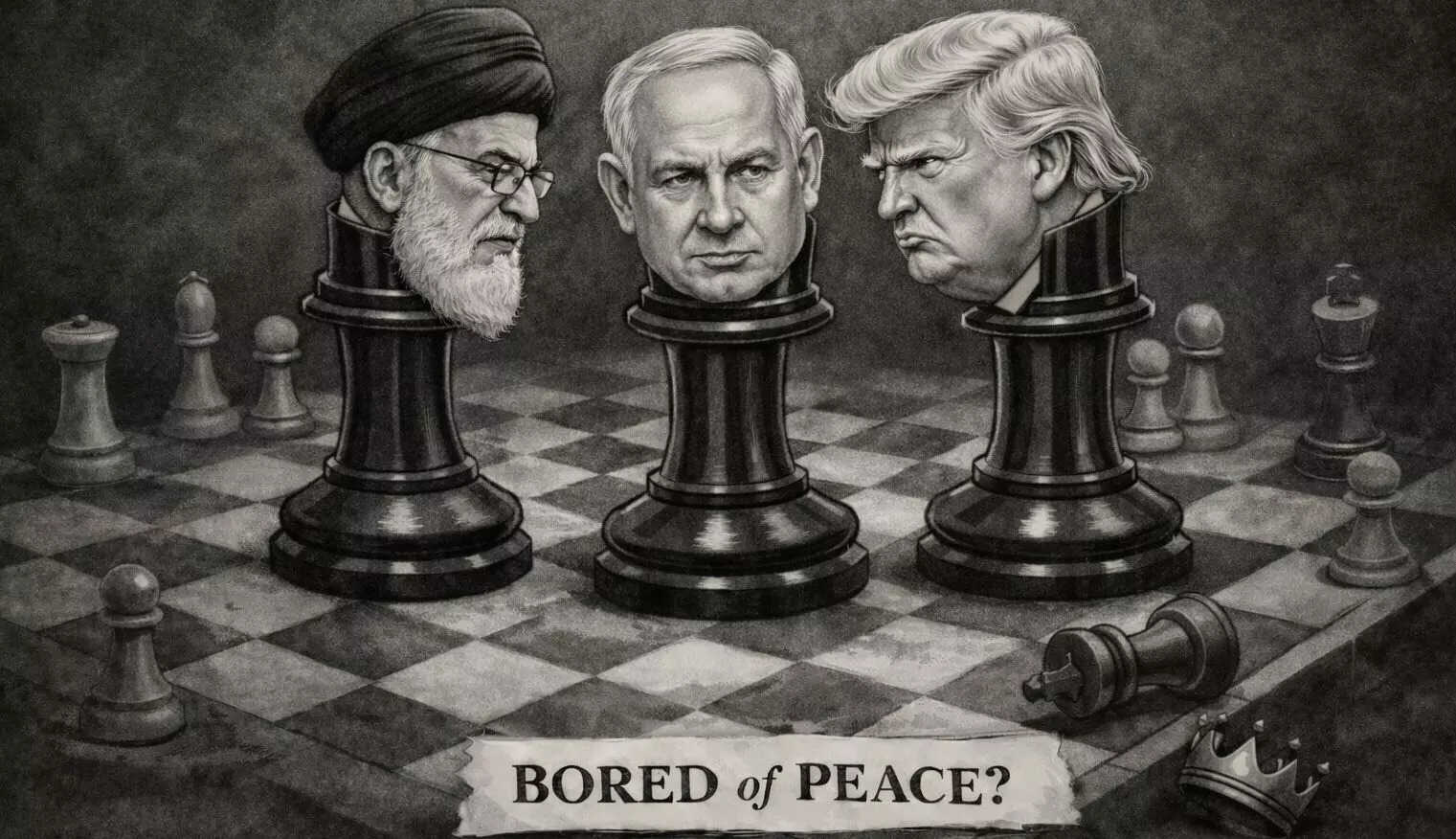
Unpacking the Geopolitical Chessboard
The current international system is characterized by a shifting balance of power and the emergence of new challenges. Traditional notions of peace and conflict are constantly being redefined by technological advancements, economic competition, and ideological divides.
Understanding these underlying currents is essential for any analysis of global stability and the effectiveness of peace initiatives.
Shifting Alliances and New Fronts
Alliances once considered immutable are undergoing re-evaluation, leading to new partnerships and strategic alignments. This fluidity can either create opportunities for peace or open new avenues for conflict, depending on the context.
The ongoing competition between major powers contributes significantly to instability, as nations jockey for influence and resources on a global scale.
The rise of non-state actors and hybrid warfare tactics further complicates the picture, blurring the lines between conventional conflict and other forms of aggression. Cyberattacks, misinformation campaigns, and economic coercion are now common tools of statecraft.
For a comprehensive understanding of these developments, staying abreast of the latest trends in international security is paramount.
The Role of Diplomacy Amidst Conflict
Despite the prevalence of conflict, diplomacy remains the cornerstone of international relations. Back-channel communications, multilateral negotiations, and bilateral talks continue to play a vital role in managing crises and preventing wider wars.
However, the efficacy of diplomacy is often tested when geopolitical interests clash intensely, requiring extraordinary efforts from all parties involved.
The very existence of a “Board of Peace” implies a commitment to diplomatic solutions above all else. Yet, when its supposed constituents are engaged in hostilities, the credibility and impact of such a board come under severe scrutiny.
This tension highlights the inherent challenges of achieving peace in a world where national interests often supersede collective stability.
The Future of Global Stability
Looking forward, the path to global stability requires a renewed commitment to international law and cooperative frameworks. The interconnectedness of modern nations means that conflict in one region often has ripple effects across the globe.
Addressing the root causes of conflict, such as economic disparity, political grievances, and resource scarcity, is crucial for fostering long-term peace.
Reimagining Peace Initiatives
Perhaps a more dynamic and inclusive approach to peace-building is needed, one that acknowledges the complex interplay of power, politics, and historical grievances. Any “Board of Peace” must be robust enough to address these realities head-on.
This includes fostering dialogue even among adversaries and developing innovative solutions that extend beyond traditional diplomatic tools.
The current state of affairs, where key nations are simultaneously pursuing peace and waging war, demands serious introspection from global leaders. The narrative suggests a disconnect between declared intentions and actual outcomes, impacting international trust.
For more insights into this critical issue and its various dimensions, refer to the Official Source discussing the nuances of the situation.
Ultimately, true peace requires not just the absence of war, but the presence of justice, equity, and mutual understanding among all nations. This monumental task continues to challenge policymakers and international bodies alike.
The journey towards a genuinely peaceful world remains arduous, requiring sustained effort and genuine commitment from all global stakeholders.
Frequently Asked Questions (FAQs)
1. What is the concept of Donald Trump’s “Board of Peace”?
While not a formal, explicitly named entity, the “Board of Peace” refers to a perceived strategic approach during the Trump administration to assemble key nations or figures to broker significant peace deals, particularly in the Middle East. It symbolized an ambition to redefine diplomatic engagement and achieve historic normalizations and de-escalations through direct, often unconventional, negotiations.
2. Which specific nations are highlighted as being “at war” within this context?
The article specifically highlights Iran and Israel as nations deeply involved in ongoing regional conflicts and strategic rivalries. While not in direct military conflict with the U.S., Pakistan is also mentioned due to its complex role in regional stability and counter-terrorism efforts, illustrating the broader challenges to global peace even among U.S. partners or strategic interests.
3. How does the conflict between Israel and Iran undermine global peace efforts?
The deep-seated animosity between Israel and Iran fuels proxy wars across the Middle East, particularly in Syria, Lebanon, and Yemen. This not only destabilizes the region but also draws in global powers, complicates diplomatic solutions, and diverts international resources and attention away from other pressing peace initiatives. Their rivalry creates a constant state of tension, making comprehensive peace elusive.
4. What role does Pakistan play in the discussion of a “Board of Peace” and conflict?
Pakistan, as a nuclear power and a significant player in South Asia and the broader Islamic world, has complex relations with the U.S. and is involved in counter-terrorism operations, particularly concerning Afghanistan. Its strategic importance and the ongoing security challenges within its borders mean that its stability is crucial for regional and global peace, making it an implied “member” of any broad peace initiative, yet one facing its own internal and external conflicts.
5. What are “proxy conflicts” and how do they relate to these tensions?
Proxy conflicts involve two or more states fighting indirectly through third parties, such as non-state armed groups or other smaller states. In the Middle East, Iran and Israel often engage in proxy conflicts by supporting opposing factions in countries like Syria, Yemen, and Lebanon. These conflicts allow major powers to exert influence and challenge rivals without engaging in direct, full-scale warfare, but they significantly exacerbate regional instability.
6. How does the concept of “America First” reconcile with global peace initiatives?
“America First” prioritized U.S. national interests, often leading to a transactional approach to foreign policy. While this aimed to secure advantageous deals for the U.S., it sometimes meant disengaging from multilateral institutions or traditional alliances, which complicated broader global peace efforts. The administration’s view was that strong U.S. interests could, paradoxically, create conditions for peace by reshaping the international order, yet critics argue it often led to isolation and instability.
7. What are the challenges of defining “peace” in today’s geopolitical landscape?
Defining peace is challenging because it means different things to different actors. For some, it’s the absence of overt warfare; for others, it includes the presence of justice, human rights, and economic stability. In a complex world with ideological divides, economic competition, and hybrid warfare (cyberattacks, disinformation), achieving a universally agreed-upon state of peace is immensely difficult, as various nations prioritize their own interpretations and security concerns.
8. How do shifting global alliances impact peace efforts?
Shifting alliances can disrupt established security frameworks, leading to unpredictability and the potential for new conflicts. When traditional allies re-evaluate their relationships or form new partnerships, it can create power vacuums or empower revisionist states. This fluidity makes it harder to build consensus for peace, as the lines of trust and shared interest become blurred, requiring constant diplomatic recalibration.
9. Why is diplomacy still crucial amidst ongoing conflicts?
Diplomacy remains crucial because it provides the only viable path to de-escalation, conflict resolution, and the prevention of wider wars. Even when conflicts are active, diplomatic channels facilitate communication, negotiation, and the search for common ground. Without diplomacy, conflicts would likely escalate unchecked, leading to greater human suffering and instability. It serves as a necessary mechanism for managing international relations, even between adversaries.
10. What long-term solutions are suggested for achieving global stability?
Long-term solutions for global stability involve addressing the root causes of conflict, such as economic inequality, political grievances, resource scarcity, and climate change. They also require strengthening international law and multilateral institutions, fostering inclusive dialogue among all stakeholders (including non-state actors), and developing innovative, adaptive approaches to peace-building. A renewed commitment to mutual understanding and shared human values is also fundamental.
SEO Keywords:
Donald Trump foreign policy, Board of Peace, global conflict analysis, Middle East tensions, Iran Israel conflict, US Pakistan relations, geopolitical shifts, international stability, peace initiatives, diplomatic challenges, Trump administration peace, regional security, America First policy, conflict resolution, international relations commentary
Source: Times of India