





Historical Precedent A Blast from the Past Ignites Debate
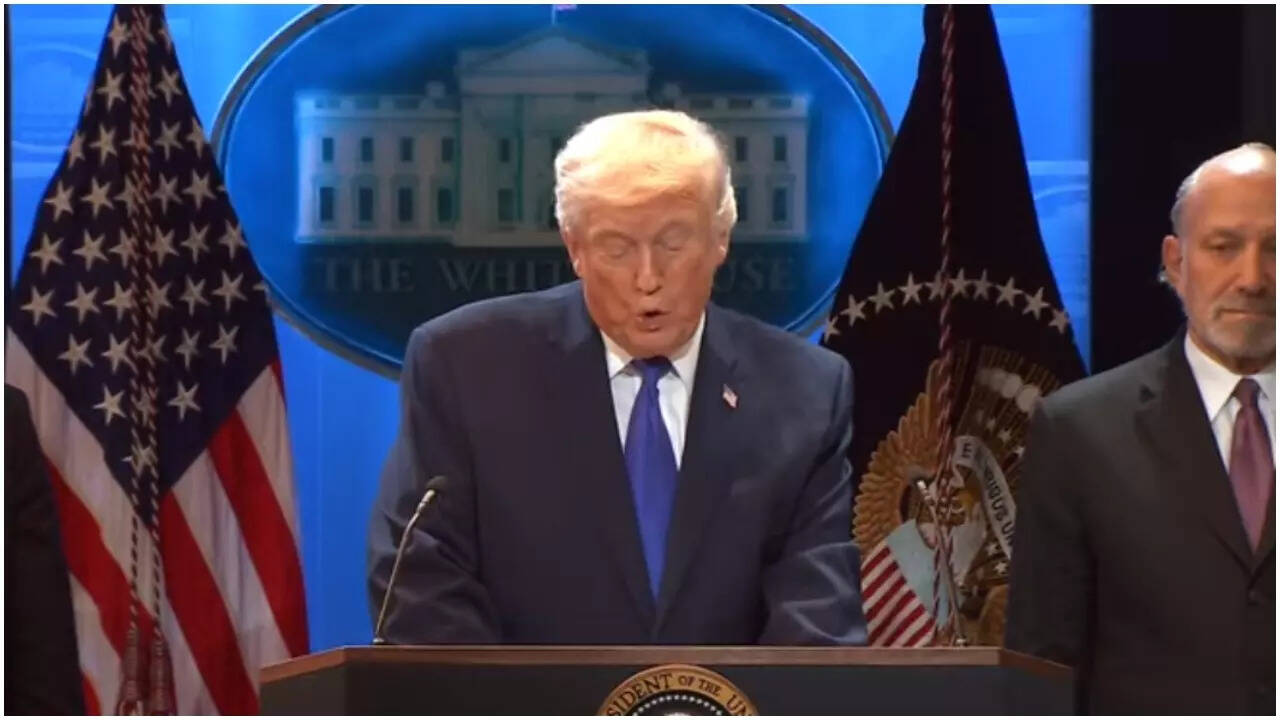
A decade-old tweet from former President Donald Trump has dramatically resurfaced, sending ripples through political and media circles. This online artifact gains new prominence in the wake of recent US-Israeli military actions in the Middle East.
The tweet, originally posted during the Obama administration, appears to draw an uncanny parallel to current events, sparking intense discussion about US foreign policy and regional dynamics.
The Resurfaced Trump Tweet: A Glimpse into Past Critiques
The specific tweet in question states, “Obama will attack, will use Iran card.” This concise statement, originally penned by Trump years ago, has been widely recirculated across social media platforms and news outlets.
It reflects a particular viewpoint held at the time regarding the strategic motivations behind the Obama administration’s actions and rhetoric concerning Iran.
Original Context and Interpretation
The tweet was first published during a period of intense diplomatic efforts surrounding the Iran nuclear deal, formally known as the Joint Comprehensive Plan of Action (JCPOA). At the time, various political factions offered differing interpretations of the administration’s engagement with Tehran.
Critics, including then-private citizen Trump, often suggested that President Obama might leverage international conflicts, particularly with Iran, for domestic political gain or to solidify his legacy.
Recent US-Israeli Strikes: Catalyst for Resurgence
The catalyst for this tweet’s renewed virality is a series of recent US-Israeli military operations targeting Iranian-backed groups and assets in the region. These coordinated actions underscore ongoing security concerns and the volatile nature of Middle Eastern geopolitics.
The strikes were reportedly conducted in response to various perceived threats and attacks on US personnel and interests, as well as broader Israeli security imperatives against regional proxies.
Details of the Operations
Reports indicate that the strikes targeted specific infrastructure, weapons depots, and command centers associated with Iranian-backed militias. Both the United States and Israel cited defensive measures and deterrence as primary justifications for their interventions.
The precision and scope of these operations have been closely scrutinized, with analysts assessing their immediate impact and potential for further escalation in an already tense region. These assessments consider both the intended deterrent effect and the risk of unintended consequences.
Connecting the Dots: “Obama Will Attack, Will Use Iran Card” in Today’s Climate
The resurfacing of Trump’s old tweet has prompted many to question the underlying motivations of US foreign policy, regardless of the administration in power. The phrase “use Iran card” particularly resonates, inviting speculation about strategic manipulation.
Observers are drawing comparisons between past political rhetoric and present-day military actions, analyzing whether the dynamics described by Trump years ago hold any contemporary relevance.
The Notion of the “Iran Card”
The concept of using the “Iran card” implies that a powerful nation might provoke or escalate tensions with Iran for reasons extending beyond immediate security concerns. Such reasons could include domestic political advantage, uniting allies, or distracting from other pressing issues.
This perspective suggests that Iran, as a persistent geopolitical antagonist, can be a convenient focal point for various strategic objectives, offering a ready-made narrative for intervention or heightened rhetoric.
A Look Back: US-Iran Relations Through the Decades
Understanding the context of the resurfaced tweet requires an appreciation of the complex and often antagonistic history between the United States and Iran. Relations have been fraught since the 1979 Iranian Revolution, marked by periods of confrontation and intermittent attempts at diplomacy.
Each US presidential administration has navigated this relationship with varying strategies, contributing to the current geopolitical landscape and its enduring challenges.
The Obama Administration’s Approach
President Barack Obama’s administration pursued a strategy of engagement and sanctions, culminating in the 2015 JCPOA. This multilateral agreement aimed to prevent Iran from developing nuclear weapons in exchange for sanctions relief.
While hailed by some as a triumph of diplomacy, others criticized it as too lenient and insufficient in curbing Iran’s regional influence and ballistic missile program.
The Trump Administration’s Stance
Upon taking office, President Trump adopted a starkly different approach, withdrawing the US from the JCPOA in 2018. His administration implemented a “maximum pressure” campaign, imposing crippling sanctions on Iran.
This strategy aimed to force Iran back to the negotiating table for a more comprehensive deal, but instead led to increased tensions and regional instability. The strategy was premised on the belief that economic pressure would compel a change in Iranian behavior.
The Biden Administration’s Current Dilemma
The current Biden administration initially signaled a desire to return to the JCPOA, but negotiations have proven challenging amidst escalating regional hostilities. President Biden faces the delicate balance of deterring Iranian aggression while avoiding a wider conflict.
The recent US-Israeli strikes reflect the ongoing struggle to contain Iran’s influence and respond to its proxy activities across the Middle East, a challenge intensified by the existing regional power vacuums.
Geopolitical Ramifications and Regional Stability
The recent military actions and the ensuing debate around Trump’s tweet highlight the precarious state of stability in the Middle East. Any escalation involving the US, Israel, and Iran carries significant regional and global implications.
The interconnectedness of various state and non-state actors means that localized conflicts can quickly spiral into broader confrontations, with unpredictable outcomes for all involved.
Role of Regional Powers
Other regional players, such as Saudi Arabia, the UAE, and Turkey, closely monitor these developments. Their own security interests and alliances are often shaped by the evolving dynamics of the US-Iran-Israel triangle, leading to complex diplomatic maneuvers.
The Gulf states, in particular, remain wary of Iran’s ambitions and the potential for regional destabilization from heightened tensions, often seeking assurances from their Western allies.
Global Implications
Beyond the immediate region, major global powers like Russia and China also have vested interests. They observe these developments through the lens of their own strategic competition with the US and their energy security concerns.
Escalation could impact global oil prices, shipping lanes, and international diplomacy, making the current situation a focal point for international observers and policymakers.
Domestic Political Landscape: Echoes and Accusations
The reappearance of Trump’s tweet has inevitably fueled domestic political discourse in the United States. It provides fodder for critics and supporters alike, re-igniting debates about presidential motives and foreign policy efficacy.
Both Democrats and Republicans find themselves navigating the implications of past statements colliding with present realities, often leveraging them for political advantage.
Reactions from Political Figures
Supporters of former President Trump often use the tweet to highlight perceived hypocrisy or consistency in their leader’s analysis of geopolitical maneuvering. They might argue it validates his long-held skepticism about established foreign policy approaches, portraying him as prescient.
Conversely, opponents may dismiss the tweet as opportunistic or a mischaracterization, emphasizing the distinct circumstances of different administrations and the complexities of foreign policy decision-making.
The “Iran Card”: A Strategic Tool or Conspiracy Theory?
The phrase “Iran card” has become a potent symbol in political rhetoric, often implying a deliberate, calculated strategy. It suggests that leaders might use external threats to achieve internal political goals, such as rallying public support or silencing dissent.
Whether this is a genuine strategic tool or a cynical interpretation depends heavily on one’s political perspective and trust in government transparency and intentions.
Different Interpretations
One interpretation posits that an administration might engage in limited military action to demonstrate strength and resolve, thus boosting its approval ratings. Another suggests it could be used to divert attention from domestic problems or to justify increased defense spending.
Iran, with its long-standing adversarial relationship with the US, frequently becomes a convenient target for such accusations, regardless of the actual intent behind specific policy decisions.
Media Scrutiny and Public Discourse: The Power of Social Media
The resurfacing of an old tweet underscores the enduring power of social media to reshape narratives and bring historical statements into current discussions. Digital archives ensure that past words can always be brought back to analyze contemporary events.
This phenomenon allows for a rapid re-evaluation of political figures’ consistency and foresight, often accelerating public debate and scrutiny.
Analyzing the Trend
Media outlets are actively dissecting the tweet, its original context, and its relevance today, contributing to the latest trends in political commentary. Pundits and analysts are offering diverse perspectives, some validating Trump’s foresight, others critiquing the simplistic nature of the prediction.
The debate highlights how public figures’ past statements can haunt or help their future narratives, particularly in the unforgiving landscape of online information where context can be easily lost or manipulated.
Conclusion: A Complex Tapestry of History and Strategy
The reappearance of Donald Trump’s “Obama will attack, will use Iran card” tweet amidst recent US-Israeli strikes offers a compelling lens through which to view the enduring complexities of Middle Eastern geopolitics. It forces a reconsideration of historical predictions against unfolding events and the continuous evolution of foreign policy.
While the immediate context and players have shifted, the underlying strategic questions about US engagement in the region, and the role of Iran, remain remarkably consistent, proving to be a persistent challenge for successive administrations.
The tweet serves as a powerful reminder that in the arena of international relations, past rhetoric can cast long shadows over present actions, continually fueling debate over true motivations and potential outcomes. For more insights into the original reporting, you can refer to the Official Source.
Frequently Asked Questions
1. What was the exact content of Trump’s resurfaced tweet?
The specific tweet from Donald Trump that has recently recirculated stated, “Obama will attack, will use Iran card.” This concise prediction has drawn significant attention due to its perceived resonance with current geopolitical events involving the US, Israel, and Iran, sparking widespread commentary and analysis across various platforms.
2. When was the tweet originally posted?
The tweet was originally posted by Donald Trump during the Obama administration. While the precise date often requires searching archived social media, it generally aligns with the period when negotiations for the Iran nuclear deal (JCPOA) were a prominent topic, roughly between 2013 and 2015, a time of intense public debate on US foreign policy.
3. What were the US-Israeli strikes targeting?
Recent US-Israeli military operations reportedly targeted infrastructure, weapons depots, and command centers associated with Iranian-backed militia groups in the Middle East. These strikes were carried out in response to perceived threats against US personnel and interests, and to address regional security concerns for Israel, aiming to degrade the capabilities of these groups.
4. Why did this specific tweet resurface now?
The tweet resurfaced because of the timing of recent US-Israeli military actions against Iranian-backed targets. Many observers found the phrasing “Obama will attack, will use Iran card” to be eerily relevant, prompting comparisons between past predictions and current geopolitical strategies, regardless of which US administration is in power, leading to vigorous public discussion.
5. What does “using the Iran card” imply?
The phrase “using the Iran card” implies that a political leader or administration might intentionally escalate tensions, or provoke actions, related to Iran for strategic purposes beyond immediate security concerns. These could include galvanizing domestic support, diverting attention from other issues, or consolidating international alliances, often through a perception of external threat.
6. How did the Obama administration approach Iran?
The Obama administration pursued a dual strategy of sanctions and diplomatic engagement with Iran. This culminated in the 2015 Joint Comprehensive Plan of Action (JCPOA), a multilateral agreement aimed at preventing Iran from developing nuclear weapons in exchange for sanctions relief. This approach was characterized by a focus on de-escalation through structured negotiations and international cooperation.
7. How did the Trump administration approach Iran?
The Trump administration adopted a “maximum pressure” campaign against Iran. It withdrew the US from the JCPOA in 2018 and reimposed stringent sanctions, aiming to compel Iran to negotiate a new, more comprehensive deal that would address its ballistic missile program and regional activities. This strategy led to increased friction and regional instability, diverging sharply from previous diplomatic efforts.
8. What are the current US policy objectives regarding Iran?
The current US policy under the Biden administration seeks to deter Iranian aggression, prevent it from acquiring nuclear weapons, and counter its destabilizing regional activities. While initially open to rejoining the JCPOA, the administration now navigates a complex situation, balancing diplomatic efforts with robust responses to Iranian-backed threats to regional stability and US interests.
9. What are the potential risks of escalating tensions with Iran?
Escalating tensions with Iran carry several significant risks, including the potential for wider regional conflict involving various state and non-state actors. It could lead to increased attacks on shipping, cyber warfare, terrorism, and significant humanitarian crises. Furthermore, it could destabilize global energy markets and hinder diplomatic solutions to long-standing issues, impacting international trade and security.
10. Is there a consensus view on the effectiveness of these strikes?
There is no universal consensus on the effectiveness of the recent US-Israeli strikes. Supporters argue they are necessary to deter aggression, degrade capabilities of Iranian proxies, and protect national interests by demonstrating resolve. Critics, however, express concerns that such actions could provoke further escalation, deepen regional instability, and potentially undermine diplomatic avenues, leading to a dangerous cycle of retaliation rather than de-escalation.
SEO Keywords: Obama Iran tweet, Trump old tweet, US-Israeli strikes, Iran card, Middle East conflict, geopolitical analysis, Iran nuclear deal, US foreign policy, regional tensions, national security, White House, international relations, diplomatic strategy, current events, political predictions