





Trump’s Discontent Looms Over Iran Nuclear Talks: A Geopolitical Tightrope Walk
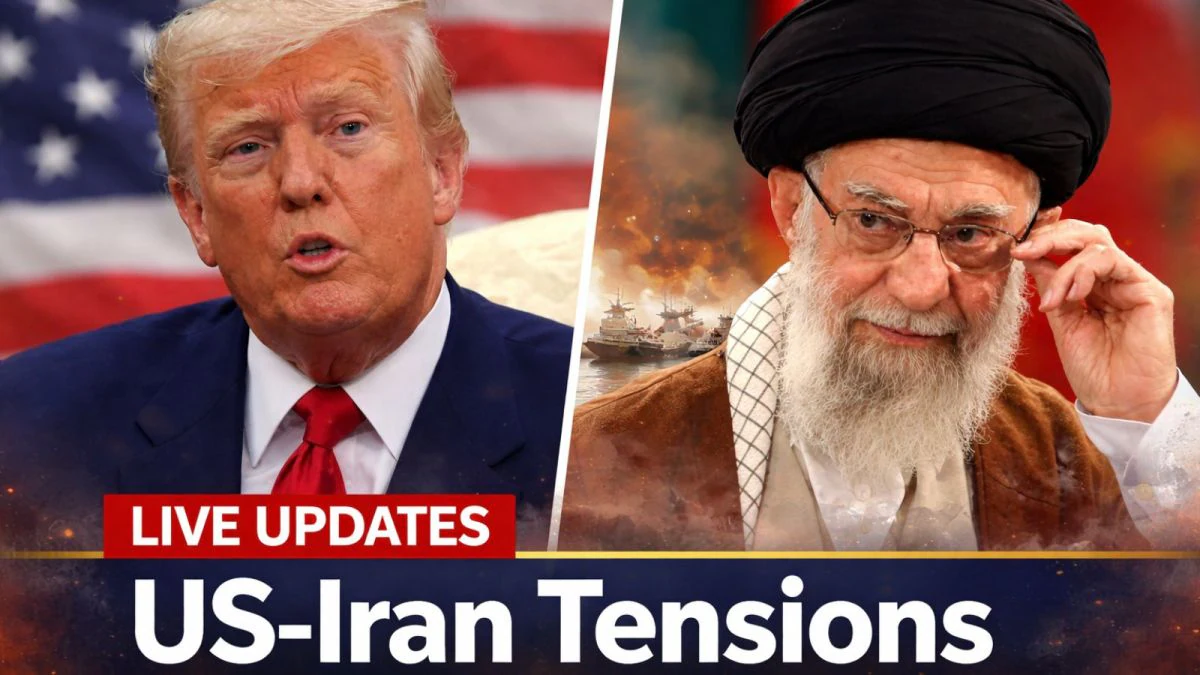
Former President Donald Trump, a figure synonymous with a hardline stance against Tehran, is reportedly “not exactly happy” with the ongoing nuclear negotiations concerning Iran. This revelation sends ripples through the intricate web of international diplomacy, casting a shadow of uncertainty over an already fragile process. His palpable dissatisfaction signals not just personal opinion, but a potent political undercurrent that could dramatically reshape the future of the Joint Comprehensive Plan of Action (JCPOA) and US foreign policy in the Middle East.
As global powers grapple with the complexities of nuclear proliferation and regional stability, Trump’s vocal unease injects a fresh layer of tension, forcing a re-evaluation of strategies and potential outcomes. The stakes are immensely high, not only for the nations directly involved but for the broader international security architecture.
The Thorny Path of Iran Nuclear Diplomacy: A Historical Overview
The saga of Iran’s nuclear program and international efforts to contain it is long and fraught with contention. For decades, the international community has wrestled with concerns over Iran’s nuclear ambitions, leading to a series of sanctions and diplomatic initiatives. The pinnacle of these efforts, the JCPOA, signed in 2015, aimed to restrict Iran’s nuclear activities in exchange for sanctions relief.
However, the deal was met with fierce criticism, particularly from conservative circles in the United States and some Middle Eastern allies, who argued it did not go far enough to prevent Iran from developing nuclear weapons or address its ballistic missile program and regional destabilizing activities.
Trump’s Decisive Withdrawal and Its Aftermath
One of the most defining moments in the JCPOA’s tumultuous history was Donald Trump’s decision to unilaterally withdraw the U.S. from the agreement in May 2018. He branded it the “worst deal ever,” arguing it failed to secure long-term non-proliferation and empowered Iran. Following the withdrawal, the Trump administration reimposed and escalated a campaign of “maximum pressure” sanctions, designed to cripple Iran’s economy and force it back to the negotiating table for a more comprehensive agreement.
This move, while applauded by some, was condemned by European allies and other signatories, who maintained the JCPOA was a vital bulwark against nuclear proliferation. Iran, in response to the renewed sanctions and lack of economic benefits, gradually began to exceed the deal’s nuclear restrictions, enriching uranium to higher purities and installing advanced centrifuges, further complicating any potential return to compliance.
A Timeline of Tumultuous Negotiations
The journey of the Iran nuclear deal has been a rollercoaster of diplomatic breakthroughs and breakdowns. Understanding the key events is crucial to grasp the current sentiment:
- 2015: Joint Comprehensive Plan of Action (JCPOA) signed by Iran, P5+1 (China, France, Germany, Russia, United Kingdom, United States), and the European Union.
- January 2016: Implementation Day of the JCPOA; most nuclear-related sanctions on Iran lifted.
- May 2018: U.S. President Donald Trump announces the U.S. withdrawal from the JCPOA and reinstates sanctions.
- 2019-2020: Iran begins to incrementally reduce its commitments under the JCPOA in response to U.S. sanctions and European failure to fully offset their impact.
- January 2021: Joe Biden takes office, signaling an intent to return to the JCPOA, contingent on Iran’s full compliance.
- April 2021: Indirect talks begin in Vienna between Iran and the remaining JCPOA signatories, with the U.S. participating indirectly.
- Late 2021 – Early 2022: Talks repeatedly stall and resume amid escalating tensions and accusations.
- Late 2022 – Present: Negotiations continue with intermittent progress, frequently complicated by regional events and internal political dynamics in both the U.S. and Iran.
- February 2026: Reports surface of Donald Trump’s strong dissatisfaction with the direction of current nuclear talks.
Industry and Market Implications
The specter of renewed U.S. hostility towards an Iran nuclear deal carries significant weight across various sectors, particularly energy markets and defense. A breakdown in talks or further escalation of tensions could directly impact global oil prices.
Iran, a major oil producer, has seen its exports heavily curtailed by sanctions. Any renewed or intensified pressure could further restrict supply, potentially driving up crude prices. Conversely, a successful deal and the lifting of sanctions could bring more Iranian oil to the market, influencing downward price pressure, although the current climate suggests the former is more likely given Trump’s stance.
The defense industry also watches closely. Increased regional instability or a perception of heightened threat could lead to increased arms sales to Middle Eastern allies. Furthermore, the development of dual-use technologies, from nuclear capabilities to advanced missile systems, becomes a critical concern for defense planners globally.
Policy Repercussions and Geopolitical Shifts
Donald Trump’s dissatisfaction signals a potential future policy shift if he were to return to power. His consistent criticism of the JCPOA suggests that a second Trump administration would likely prioritize a strategy of maximum pressure once again, potentially abandoning the current administration’s diplomatic efforts. This could lead to:
- Renewed U.S.-Iran Confrontation: An increased risk of direct or proxy confrontations in the Middle East.
- Strain on Transatlantic Alliances: Further divergence from European allies who largely support the JCPOA.
- Regional Power Dynamics: Empowering regional rivals of Iran, potentially exacerbating existing conflicts.
- Nuclear Proliferation Concerns: Iran potentially accelerating its nuclear program if it perceives no diplomatic off-ramp.
Expert Analysis: Navigating a Minefield
Analysts universally agree that the situation is a geopolitical minefield. “Trump’s consistent skepticism about the Iran deal isn’t just a talking point; it reflects a deeply held belief that the JCPOA was fundamentally flawed,” states Dr. Evelyn Reed, a senior fellow at the Council on Foreign Relations. “His current dissatisfaction, even as a private citizen, serves as a powerful reminder of the deep divisions within American foreign policy circles regarding Iran.”
The ongoing negotiations in Vienna are already complex, fraught with trust deficits and technical challenges. The Iranian leadership, having experienced the U.S. withdrawal once, is inherently wary of any deal that might be unilaterally abrogated again. This underlying mistrust makes any long-term agreement exceedingly difficult to forge.
Furthermore, the domestic political landscapes in both the U.S. and Iran play a significant role. In the U.S., a strong Republican opposition base remains critical of re-engagement with Iran. In Iran, hardliners often view concessions as weakness and are resistant to extensive verification measures demanded by the West.
Comparing Diplomatic Approaches to Iran
The divergence in approaches to Iran highlights the complex challenges faced by international policymakers.
| Approach | Key Tenets | Potential Strengths | Potential Weaknesses |
|---|---|---|---|
| JCPOA-Centric (Biden Admin) | Re-engagement, sanctions relief for nuclear limits, diplomatic resolution. | De-escalation, international consensus, verifiable nuclear restrictions. | Does not address ballistic missiles or regional actions; perceived as weak by critics. |
| Maximum Pressure (Trump Admin) | Unilateral sanctions, economic strangulation, regime change pressure. | Addresses broader Iranian behavior; satisfies hawkish allies. | Risks escalation, isolates U.S., incentivizes Iran to accelerate nuclear work. |
The current administration is attempting to thread the needle, seeking a return to JCPOA compliance while also signaling a willingness to negotiate follow-on agreements that address broader concerns. However, Trump’s public stance adds immense pressure to these delicate discussions, potentially hardening positions on both sides.
Data Summary: Key Iran Nuclear Deal Milestones
| Event | Date | Significance |
|---|---|---|
| JCPOA Signed | July 14, 2015 | International agreement to curb Iran’s nuclear program. |
| U.S. Withdrawal | May 8, 2018 | Trump administration exits deal, reimposes sanctions. |
| Iran Breaches Limits | Mid-2019 onward | Iran escalates nuclear activities in response to sanctions. |
| Vienna Talks Begin | April 2021 | Efforts to revive the JCPOA under Biden administration. |
| Trump’s Dissatisfaction Reported | February 28, 2026 | Signals potential future policy shift and political pressure. |
The Future Outlook: A Precarious Path Ahead
The immediate future of the Iran nuclear talks remains highly uncertain. Trump’s discontent serves as a powerful reminder that any progress made could be swiftly undone by a future change in U.S. leadership. This political fragility makes it challenging for negotiators to secure lasting commitments from Iran, which seeks guarantees against future U.S. abrogations.
The international community will need to navigate this complex landscape with extreme care. A failure to revive the JCPOA, or to establish a new, durable framework, risks pushing Iran closer to nuclear weapons capability and could unleash a dangerous arms race in the volatile Middle East. Diplomatic solutions, however difficult, appear to be the only viable path to de-escalation.
Frequently Asked Questions (FAQs)
- What is the JCPOA? The Joint Comprehensive Plan of Action is an international agreement designed to prevent Iran from developing nuclear weapons in exchange for sanctions relief.
- Why is Donald Trump “not happy” with the Iran nuclear talks? Trump has consistently argued that the JCPOA was a flawed deal that did not adequately address Iran’s nuclear ambitions or its broader regional actions, advocating for a tougher stance.
- What were the main reasons Trump withdrew from the JCPOA in 2018? Trump criticized the deal for its “sunset clauses,” which allowed some restrictions to expire, and for not covering Iran’s ballistic missile program or support for proxy groups.
- How has Iran responded to the U.S. withdrawal and sanctions? Iran has progressively reduced its compliance with the JCPOA’s nuclear limits, increasing uranium enrichment and installing advanced centrifuges.
- Who are the main parties involved in the current nuclear talks? Iran and the P4+1 (China, France, Russia, UK, plus Germany) are directly involved, with the U.S. participating indirectly.
- What are the economic implications if talks fail? A failure could lead to continued or intensified sanctions on Iran, impacting global oil markets and potentially increasing regional instability.
- What is the “maximum pressure” campaign? It was the Trump administration’s policy of imposing stringent economic sanctions on Iran to force it to renegotiate a more comprehensive nuclear deal.
- Could Trump’s stance affect the current U.S. administration’s foreign policy? Yes, his vocal opposition creates political pressure and foreshadows a potential shift in U.S. policy if he were to return to office.
- What are the risks of a breakdown in negotiations? Increased risk of nuclear proliferation, regional conflict, and a further deterioration of U.S.-Iran relations.
- What role do European countries play in these negotiations? European nations have consistently supported the JCPOA and have attempted to mediate between the U.S. and Iran to preserve the agreement.
Conclusion: A Crossroads for Diplomacy
Donald Trump’s expressed dissatisfaction with ongoing Iran nuclear talks is more than just a political statement; it’s a potent indicator of the profound ideological divide that continues to shape U.S. foreign policy towards Tehran. As negotiators tirelessly work to revive or reform the JCPOA, the shadow of potential future political shifts hangs heavy over their efforts. The path ahead is fraught with challenges, demanding astute diplomacy, strategic foresight, and an unwavering commitment to regional stability.
The world watches, recognizing that the outcome of these talks will not only determine Iran’s nuclear trajectory but also profoundly influence the delicate balance of power in the Middle East and beyond. The choice between de-escalation and renewed confrontation has rarely felt so stark, making every diplomatic move critically important.
Further Reading:
- Understanding the Nuances of the Original Iran Nuclear Deal
- The Economic Impact of U.S. Sanctions on Iran
- Geopolitical Tensions in the Middle East: A Regional Analysis
External Resources:
#IranNuclearDeal #DonaldTrump #USForeignPolicy #MiddleEast #Geopolitics