






Abu Dhabi’s Bold Move
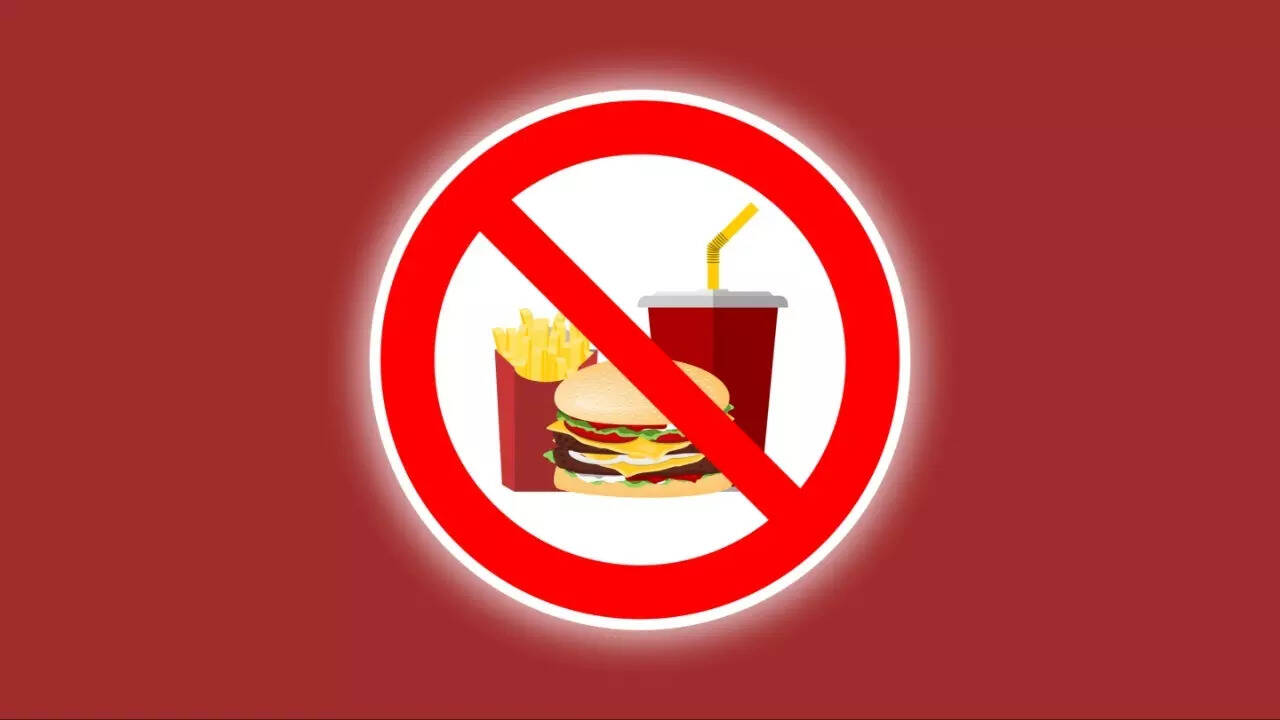
Abu Dhabi has announced a groundbreaking public health policy, poised to transform the urban landscape and dietary habits of its residents. The capital city of the United Arab Emirates is implementing a comprehensive ban on junk food advertising, specifically targeting billboards and other prominent public advertising spaces.
This ambitious initiative marks a significant step in the emirate’s strategy to combat rising obesity rates and foster a healthier environment for all citizens. It signals a clear commitment from authorities to prioritize public well-being over commercial interests in the food sector.
A Sweeping Ban on Unhealthy Food Promotion
The new directive means a dramatic shift in how food products can be marketed within Abu Dhabi’s borders. Gone will be the giant burger hoardings and tempting sugary drink advertisements that have long dominated the cityscape.
Billboards and other outdoor advertising mediums are mandated to go “sugar-free,” effectively prohibiting the promotion of high-fat, high-sugar, and high-salt (HFSS) foods. This move aims to reduce exposure to cues that encourage unhealthy eating habits.
The Rationale: Combating a Growing Health Crisis
This decisive action stems from an urgent need to address escalating public health concerns, particularly the pervasive issue of obesity. Like many parts of the world, the UAE has seen a steady increase in obesity rates among both adults and children.
The health implications of these trends are severe, contributing to a rise in non-communicable diseases (NCDs) such such as type 2 diabetes, cardiovascular disease, and certain cancers. These conditions place immense strain on healthcare systems and diminish the quality of life for affected individuals.
Childhood Obesity at the Forefront
A particular focus of the new policy is the protection of children from unhealthy food advertising. Research consistently shows that children are highly susceptible to marketing tactics for junk food, which can shape their dietary preferences from an early age.
By removing these pervasive advertisements, Abu Dhabi aims to create an environment where healthier food choices are the default and children are not constantly bombarded with messages promoting nutrient-poor options. This proactive approach seeks to instill better habits early on.
Transforming the Advertising Landscape
The junk food advertising ban will undoubtedly reshape the advertising industry within Abu Dhabi. Food manufacturers and marketing agencies will need to pivot their strategies, focusing on promoting healthier products or entirely different categories.
This could spur innovation in healthy food development and encourage brands to highlight nutritional benefits rather than indulgent qualities. Advertising budgets previously allocated to HFSS foods will likely be redirected towards healthier alternatives or educational campaigns.
Industry Adaptation and Innovation
Food companies operating in Abu Dhabi face the challenge and opportunity to adapt to these new regulations. This may involve reformulating existing products to meet stricter health criteria or investing in the development of new, healthier offerings.
Marketing professionals will need to devise creative campaigns that align with the emirate’s public health goals, emphasizing ingredients, sustainability, or other positive attributes. This shift could lead to a more responsible and health-conscious advertising ecosystem.
Broader Public Health Implications
The long-term goal of this policy is a tangible improvement in public health outcomes across Abu Dhabi. By reducing the visibility and appeal of unhealthy foods, authorities hope to influence consumer behavior and encourage more mindful eating choices.
This initiative is not just about banning advertisements; it is part of a larger ecosystem of public health interventions. It complements other efforts such as health education programs, promotion of physical activity, and potentially future policies targeting food availability.
A Global Trend Towards Healthier Food Environments
Abu Dhabi’s move is part of a growing global trend where governments are taking decisive action to improve population health by regulating food environments. Nations like the UK, Mexico, and Chile have already implemented similar restrictions on junk food advertising, particularly targeting children.
These international examples provide valuable case studies and demonstrate a collective understanding of the significant role advertising plays in shaping dietary habits and contributing to the global obesity crisis. Examining latest trends in public health policy reveals an increasing global appetite for such regulatory interventions.
Challenges and Enforcement Mechanisms
Implementing such a comprehensive ban will come with its own set of challenges. Clear definitions of what constitutes “junk food” or HFSS products will be critical to ensure consistent enforcement across various food categories.
Monitoring compliance across a vast array of billboards, public displays, and potentially other digital platforms will require robust regulatory oversight. Authorities will need to establish transparent guidelines and effective mechanisms for reporting and penalizing non-compliance.
The Official Source and Future Outlook
This groundbreaking policy underscores Abu Dhabi’s commitment to creating a healthier future for its residents. For further details on this significant development, you can refer to the Official Source detailing the policy. The emirate is setting a powerful precedent for urban centers worldwide.
The long-term success of this initiative will depend not only on enforcement but also on complementary public education campaigns and the active participation of the food industry. Abu Dhabi envisions a future where healthy choices are not just accessible but actively promoted, fostering a vibrant and well population.
Frequently Asked Questions (FAQs)
1. What exactly does Abu Dhabi’s new policy cover regarding junk food advertising?
The policy specifically bans the advertising of high-fat, high-sugar, and high-salt (HFSS) foods across public spaces. This primarily targets billboards and other outdoor advertising mediums, mandating them to go “sugar-free” and prohibit the promotion of unhealthy food items.
2. When does this public health policy officially come into effect?
While specific implementation dates can vary based on official announcements and regulatory rollout, the policy is set to be integrated into the emirate’s public health framework in the near future. Businesses and advertisers are expected to adapt swiftly to the new regulations.
3. What are the primary reasons behind Abu Dhabi implementing this advertising ban?
The main drivers are the escalating rates of obesity and associated non-communicable diseases (NCDs) like diabetes and heart disease within the population, especially among children. The government aims to create a healthier food environment and reduce exposure to unhealthy eating cues.
4. How will “junk food” or HFSS products be officially defined for the purpose of this ban?
Official definitions will likely be based on established nutritional criteria, possibly referencing thresholds for sugar, fat, and salt content per serving or 100g/ml. These criteria will be crucial for consistent enforcement and will be communicated by relevant health and regulatory authorities.
5. Are there any specific exemptions to the advertising ban, for instance, for certain types of food or locations?
The primary focus is on public advertising spaces like billboards and public transportation. While specific exemptions have not been widely detailed, the general intent is a broad prohibition in public view. In-store promotions or direct-to-consumer marketing might be subject to different rules.
6. What is the potential impact of this policy on local businesses, particularly in the food and advertising sectors?
Food businesses will need to reformulate products or shift marketing focus to healthier options, potentially impacting sales of traditional HFSS products. Advertising agencies will face challenges but also opportunities to develop creative campaigns for healthier brands and public health initiatives.
7. Will this policy also extend to or affect online and digital advertising platforms within Abu Dhabi?
While the initial focus is on outdoor advertising, the broader spirit of the policy suggests that authorities may eventually consider extending regulations to digital platforms, especially those accessible in public spaces or heavily consumed by children. This aligns with global regulatory trends.
8. How will compliance with the new advertising regulations be monitored and enforced by authorities?
Monitoring will likely involve regular inspections of advertising spaces and a system for public reporting of non-compliant advertisements. Enforcement mechanisms will include warnings, fines, and potentially the removal of non-conforming ads, ensuring strict adherence to the new rules.
9. Has any other country or major city implemented similar junk food advertising bans, and what have been their outcomes?
Yes, several countries like the UK, Mexico, and Chile have implemented similar bans, particularly targeting children’s exposure to HFSS advertising. Initial outcomes generally indicate a reduction in exposure to such ads and a potential shift towards healthier purchasing habits over time.
10. What long-term health outcomes does Abu Dhabi specifically hope to achieve with this comprehensive policy?
Abu Dhabi aims for significant reductions in obesity rates, particularly childhood obesity, and a corresponding decrease in the prevalence of NCDs such as type 2 diabetes and cardiovascular disease. The ultimate goal is a healthier, more active, and more productive population with an improved quality of life.
SEO Keywords
Abu Dhabi public health, junk food advertising ban, obesity policy UAE, sugar-free billboards, healthy lifestyle Abu Dhabi, NCD prevention, childhood obesity UAE, food advertising regulations, public health initiatives, UAE health policy, healthy eating Abu Dhabi, outdoor advertising ban, food environment policy, Gulf health trends, governmental health reforms
Source: Times of India