






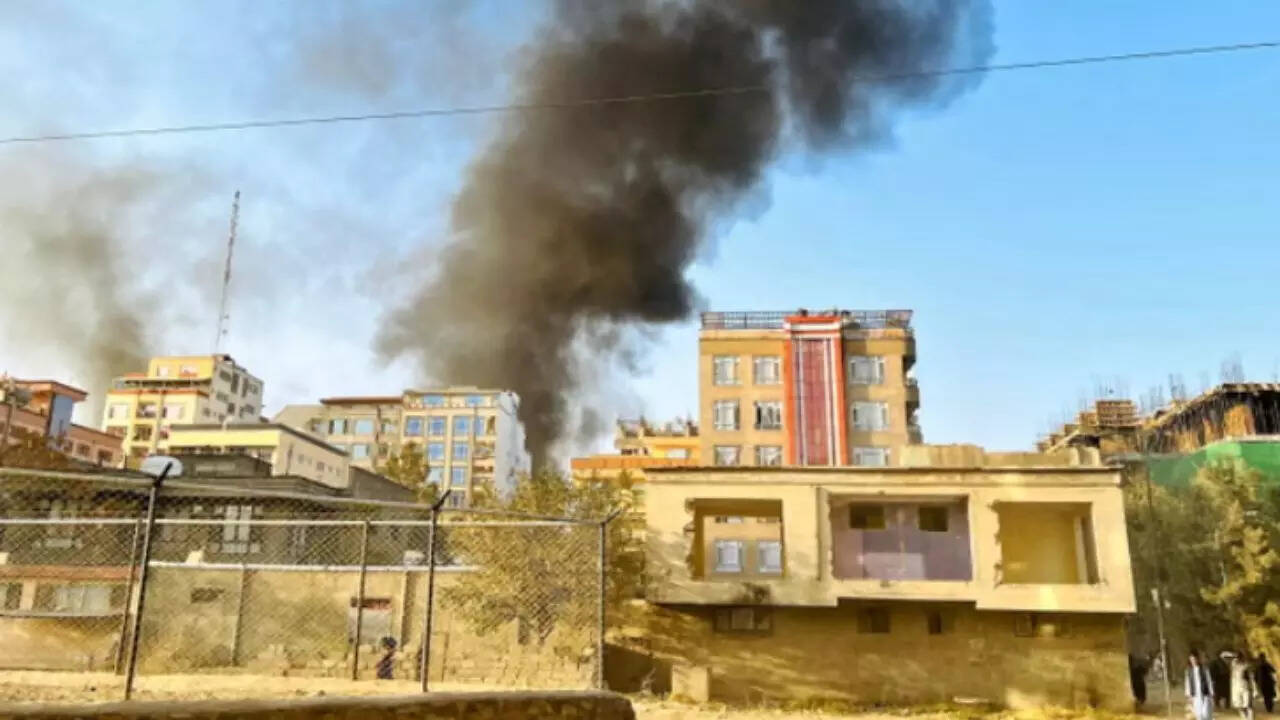
Afghanistan’s Drone Strikes
The volatile border region between Pakistan and Afghanistan has once again become a focal point of international concern. Recent reports indicate a significant escalation, with Afghanistan launching drone strikes into Pakistani territory. This development marks a new, concerning chapter in the long-standing dispute.
Islamabad, while acknowledging the incident, has maintained that these strikes resulted in no casualties. The situation highlights deep-seated geopolitical complexities and fragile regional stability.
Historical Context of Bilateral Relations
The relationship between Pakistan and Afghanistan has historically been fraught with tension and mutual suspicion. Border disputes, cross-border militant activities, and differing strategic interests have defined their interactions for decades. The Durand Line, established during the British Raj, remains a contentious issue, unrecognized by successive Afghan governments.
This historical backdrop is crucial to understanding the current events. It provides a foundation for the mistrust that often fuels these confrontations.
Evolution of Border Disputes
From territorial claims to the movement of populations, border disputes have consistently undermined efforts to foster peace. Various administrations on both sides have struggled to find common ground. The porous nature of the border further complicates control and security efforts.
Security challenges are exacerbated by the rugged terrain, making effective monitoring incredibly difficult. This environment often becomes a sanctuary for various non-state actors.
Impact of Regional Militancy
Militant groups operating across the shared border have been a perennial source of friction. Both nations accuse the other of harboring or failing to act against these groups, contributing to a cycle of accusations and counter-accusations. The presence of such entities destabilizes the entire region.
These groups exploit the contested border to launch attacks, making robust border management a paramount concern for both states. Their activities consistently threaten regional peace and security.
Recent Escalation: Drone Strikes Launched by Kabul
In a significant development, Afghan forces reportedly utilized drone technology to conduct strikes inside Pakistani territory. This move represents a notable shift in the tactics employed in the ongoing border disputes. It underscores an apparent readiness to employ advanced military capabilities.
The specifics of the drone operations, including targets and extent, remain subject to official statements and ongoing investigations. Such actions invariably raise concerns about the potential for further military escalation.
Details of the Drone Operations
Initial reports suggest these drone strikes targeted areas believed to harbor militant elements. However, details regarding the precise locations and the scale of the strikes are scarce. Afghanistan’s use of drones signifies a modernization of its military approach.
This technological upgrade allows for greater precision and reach, changing the dynamics of cross-border engagements. The deployment of such assets indicates a new phase in the security challenges faced by both nations.
Motivations Behind Kabul’s Actions
The motivations behind Kabul’s decision to launch drone strikes are complex and multifaceted. They likely stem from ongoing frustrations regarding perceived cross-border terrorism and militant sanctuaries. Afghanistan has consistently called for Pakistan to take stronger action against groups it believes are operating from Pakistani soil.
This aggressive stance might also be an attempt to project strength and assert sovereignty in the face of perceived threats. It signals a more proactive security posture.
Islamabad’s Response and Casualty Claims
Pakistan’s official response to the drone strikes has been swift, yet cautious. Islamabad acknowledged the incident but firmly denied any casualties resulting from the Afghan operations. This claim aims to de-escalate immediate tensions and manage public perception.
Maintaining a narrative of ‘no casualties’ can prevent a rapid spiral into full-blown conflict. It offers a diplomatic window for future engagement.
Official Pakistani Statements
Pakistani authorities released statements confirming the drone incursions but emphasized the absence of human losses or significant damage. These statements serve to control the narrative and mitigate alarm. They also reinforce Pakistan’s official stance on its border security.
The official communication aims to avoid further provocation while maintaining national dignity. It is a delicate balance of confirming an incident without inflaming hostilities.
Verification Challenges and International Scrutiny
Verifying claims of no casualties in such volatile regions often presents significant challenges. Independent verification is frequently difficult due to restricted access and security concerns. The international community watches closely, urging restraint from both sides.
Transparency and independent assessment are crucial for establishing credibility and preventing the spread of misinformation. Lack of clarity can exacerbate mistrust and miscalculation.
Underlying Tensions and Regional Dynamics
The drone strikes are not isolated incidents but symptoms of deeper underlying tensions between the two neighbors. These tensions are exacerbated by a complex web of regional dynamics involving various state and non-state actors. Understanding these broader dynamics is essential for any long-term resolution.
The historical mistrust and unresolved issues continue to fuel instability along the border. These factors make a comprehensive peace agreement challenging to achieve.
Role of Cross-Border Militancy
Cross-border militancy remains a primary source of friction, with both countries accusing the other of providing sanctuary or failing to curb militant groups. These accusations often escalate into diplomatic spats and border skirmishes. The presence of these groups directly impacts regional security.
Effective counter-terrorism cooperation is repeatedly hampered by mutual suspicion and differing strategic priorities. This creates a dangerous cycle of violence and blame.
Geopolitical Implications for the Region
The escalating tensions carry significant geopolitical implications for the wider South Asian region. Neighboring countries and international powers are keenly observing developments. Instability here could have ripple effects, impacting trade routes and regional security architectures.
Any significant military confrontation could draw in other regional players, further complicating an already delicate balance of power. The region desperately needs stability to foster development.
International Reactions and Calls for De-escalation
The international community has reacted to the recent escalation with concern, issuing calls for immediate de-escalation and diplomatic dialogue. Global powers understand the potential for wider conflict in this strategically important region. They advocate for peaceful resolution mechanisms.
Statements from various international bodies and nations urge both Afghanistan and Pakistan to exercise restraint. Diplomacy is highlighted as the only viable path forward.
Statements from Global Powers
Major global powers have underscored the importance of maintaining peace and stability along the Pakistan-Afghanistan border. They have appealed to both governments to engage in constructive dialogue. Such calls reflect a shared interest in preventing a broader regional crisis.
These interventions aim to facilitate a diplomatic off-ramp, encouraging communication over confrontation. The stability of the region is a global priority.
The Importance of Diplomatic Channels
Maintaining open and effective diplomatic channels is paramount in de-escalating the current situation. Dialogue offers a path to address grievances and find mutually acceptable solutions. Both nations must prioritize communication to avert further military action.
International mediation might also play a crucial role if bilateral discussions falter. The need for sustained diplomatic engagement cannot be overstated. For the latest trends in international relations and security, one might consult resources like latest trends to stay informed.
Future Outlook and Path to Resolution
The future outlook for Pakistan-Afghanistan relations remains uncertain, heavily dependent on the willingness of both sides to engage constructively. A sustainable path to resolution requires addressing the core issues of trust, border management, and counter-terrorism cooperation. Short-term de-escalation must pave the way for long-term strategic dialogue.
Without a fundamental shift in approach, cycles of tension are likely to persist, undermining regional stability. This highlights the urgent need for a comprehensive peace framework.
Challenges to Lasting Peace
Achieving lasting peace faces numerous challenges, including deeply entrenched suspicions, the presence of powerful non-state actors, and differing national interests. Economic disparities and socio-political complexities further complicate efforts. Overcoming these hurdles will require sustained commitment.
Building mutual trust is perhaps the most significant challenge, as historical grievances run deep. This trust deficit often sabotages diplomatic overtures.
Potential for Regional Cooperation
Despite the challenges, there remains potential for regional cooperation on issues of mutual interest. Collaborative efforts on trade, infrastructure, and combating shared threats like climate change could foster greater understanding. Such initiatives could slowly build confidence between the two nations.
Focusing on shared benefits could create incentives for reducing conflict and promoting stability. A future of cooperation offers a more prosperous alternative to ongoing strife. For an Official Source on the drone strikes, refer to this Official Source.
Conclusion: Navigating a Precarious Balance
The recent drone strikes by Afghanistan and Pakistan’s subsequent claims of no casualties underscore the precarious balance along their shared border. This event highlights the urgent need for robust diplomatic engagement and a renewed commitment to de-escalation. The region cannot afford a full-scale conflict.
Sustainable peace requires both nations to prioritize dialogue over confrontation, addressing historical grievances and security concerns with mutual respect. The future stability of South Asia hinges on their ability to navigate this complex relationship responsibly.
Frequently Asked Questions (FAQs)
1. What specifically triggered the recent escalation between Afghanistan and Pakistan?
The recent escalation was reportedly triggered by Afghanistan’s decision to launch drone strikes into Pakistani territory. These strikes were ostensibly aimed at militant targets, reflecting Kabul’s frustration over perceived cross-border terrorism. This action marks a new tactical approach in their long-standing security disputes.
2. What is the significance of Afghanistan using drone strikes in this conflict?
Afghanistan’s use of drone strikes is significant because it indicates a modernization of its military capabilities and a more assertive stance in addressing cross-border threats. Drones offer precision strike capabilities and can reduce risk to personnel, potentially altering the dynamics of future engagements and escalating the nature of confrontations.
3. How has Pakistan officially responded to these drone strikes?
Pakistan officially confirmed the drone incursions into its territory but stated that there were no casualties or significant damage. Islamabad’s response aimed to de-escalate immediate tensions while still acknowledging the violation of its airspace. This cautious approach seeks to manage both domestic and international perceptions.
4. What is the “Durand Line” and why is it a point of contention?
The Durand Line is the 2,640-kilometer (1,640 mi) border between Afghanistan and Pakistan, established in 1893 by the British Empire. It is a point of contention because successive Afghan governments have never officially recognized it as a legitimate international boundary, leading to ongoing territorial disputes and complicating border management efforts.
5. What role do militant groups play in exacerbating border tensions?
Militant groups operate across the porous Pakistan-Afghanistan border, using the rugged terrain to their advantage. Both countries accuse the other of harboring or failing to act decisively against these groups, leading to a cycle of accusations, counter-accusations, and cross-border skirmishes. Their activities are a primary source of friction.
6. What are the broader geopolitical implications of this escalation for South Asia?
The escalation carries significant geopolitical implications for South Asia, potentially destabilizing a region already prone to conflict. It could impact regional trade routes, security alliances, and draw in other international actors. The conflict could also distract from other pressing regional issues, like economic development and counter-terrorism efforts.
7. What steps is the international community taking to address the situation?
The international community has responded with concern, urging both Afghanistan and Pakistan to exercise restraint and prioritize diplomatic dialogue. Global powers and international organizations have called for de-escalation and peaceful resolution mechanisms, emphasizing the importance of stability in the region to prevent a wider conflict.
8. How does the concept of “no casualties” impact the narrative of the conflict?
Pakistan’s claim of “no casualties” serves to de-escalate the immediate situation and prevent a rapid military response or public outcry. It allows for a more controlled diplomatic approach rather than immediate retaliation. However, verifying such claims in contested regions often presents significant challenges for independent observers.
9. What are the main challenges to achieving lasting peace between Pakistan and Afghanistan?
Achieving lasting peace is challenging due to deeply entrenched historical mistrust, unresolved border issues (like the Durand Line), the persistent presence of cross-border militant groups, and differing national security interests. Economic disparities and complex internal political dynamics within both nations further complicate efforts for sustained reconciliation.
10. What is the potential for regional cooperation despite ongoing tensions?
Despite ongoing tensions, there is potential for regional cooperation in areas like trade, infrastructure development, and joint counter-terrorism efforts against shared threats. Fostering initiatives that benefit both nations economically and socially could slowly build confidence and reduce hostility, paving the way for more constructive engagement in the long term.
Pakistan Afghanistan conflict, Kabul drone strikes, Islamabad no casualties, Border tensions, South Asia security, Durand Line dispute, Cross-border militancy, Regional instability, Geopolitical implications, Diplomatic de-escalation, Afghanistan Pakistan relations, Drone warfare, Counter-terrorism efforts, Bilateral relations, Regional peace.